Email: admin@yeeshine-tech.com WhatsApp: +86-13712868936

- All
- Product Name
- Product Keyword
- Product Model
- Product Summary
- Product Description
- Multi Field Search

Views: 0 Author: Site Editor Publish Time: 2025-11-18 Origin: Site


You need to think about three main things when you design automotive aluminum corrugated sheet stamping dies: alloy selection, die structure, and cost. Alloy choice is important because aluminum is strong and does not rust easily. This makes it great for light car parts. Using aluminum helps cars use less fuel and lets electric cars go farther. Die structure changes how good the part is and how long the tool lasts. Cost depends on the material and how hard it is to shape the alloy. The Ultimate Guide: Automotive Aluminum Corrugated Sheet Stamping Die — Design shows you each step, starting with project review and ending with assembly.


Pick the best aluminum alloy for strength and bending. This keeps your parts safe and strong.
Plan your stamping steps to save time and money. Good planning makes work faster and easier.
Use CNC machining to make die parts very exact. This gives tight fits and smooth surfaces for good stamping.
Make dies with the right radius to stop cracks. The radius should be 5 to 10 times the sheet’s thickness.
Arrange materials well to use less and waste less. Placing parts close together saves money and materials.
Take care of your stamping dies often to make them last. Clean and check them after every shift to stop problems.
Work with suppliers to pick better materials. They can give advice to help your stamping process.
Always look for ways to make stamping better. Small changes can save money and make parts better.
You use a stamping die to shape flat metal sheets into parts for cars. The die works like a mold. It presses the metal into the right shape when you apply force. In automotive manufacturing, stamping dies help you make many parts quickly and with the same size every time.
Here is a table showing the main parts of a stamping die and what they do:
Component Type | Function |
|---|---|
Upper die | Forms the top part of the stamping process. |
Lower die holder | Supports the lower part of the die assembly. |
Press ring | Applies pressure during the stamping process. |
Convex die part | Shapes the material into a convex form. |
Concave die part | Shapes the material into a concave form. |
Various types of inserts | Allows for customization of the stamping process for different shapes. |
Safety devices | Ensures safe operation of the stamping machinery. |
Scrap slots | Collects excess material during the stamping process. |
Positioning pins | Helps in accurately aligning the material for stamping. |
When you use a stamping die, you press the metal sheet with great force. This force changes the shape of the metal or cuts it. You can make parts with exact sizes and shapes. Stamping dies help you lower costs and make more parts in less time.
Stamping dies play a big part in making corrugated sheets for cars. You need these sheets for parts like brackets, connectors, and panels. The die shapes the flat aluminum sheet into a wavy, strong form. This shape gives the sheet more strength without adding weight.
You get many benefits from using stamping dies in corrugated sheet production:
High production rates let you make many sheets fast.
You save money because the die can do several steps at once.
Each sheet comes out with the same size and shape, so you get fewer mistakes.
You can make complex shapes that fit your design needs.
The process keeps the sheets strong and helps them fit perfectly in the car.
Stamping dies also help you use less material and reduce waste. You can automate the stamping machines, which makes your work faster and more accurate.
Aluminum corrugated sheets are important in the automotive industry. You use them because they are light and strong. This helps make cars that use less fuel and go farther on a charge. Aluminum does not rust easily, so the parts last longer.
You find aluminum corrugated sheets in many car parts. They give strength to the car body and protect it from damage. The wavy shape from the stamping die makes the sheet even stronger. You can also shape aluminum into many forms, which gives you more choices in design.
Tip: When you choose aluminum corrugated sheets, you help make cars safer, lighter, and more efficient.
You always begin by looking at the project and setting clear goals. This helps you know what the part must do and if aluminum stamping is possible. You check the shape, size, and how strong the part needs to be. You also see if the part will fit with other car parts.
You need to study the material to see if aluminum stamping will work. You look at how thick the sheet is and what type of aluminum you have. You also check the tolerances, which are small allowed size changes. Doing this helps you stop problems before they happen.
Here are the first steps you take:
Look at the part drawing and 3D model.
Decide if stamping dies can make the part.
Check the aluminum sheet’s thickness and alloy.
Set the quality and strength goals.
Plan how many parts you need to make.
Tip: Careful checks now help you save time and money later.
You need a good plan before you start stamping aluminum. Process planning helps you pick the best way to shape the sheet. You choose the right stamping dies and set up the steps for making the parts. You also plan how to move the material through each step.
A good plan gives you speed, accuracy, and saves effort. You can see the benefits in the table below:
Advantage | Description |
|---|---|
Speed | Stamping is fast, so you can make many parts quickly. |
Precision | You get tight fits and smooth finishes with the right die design. |
Efficiency | You can make thousands of the same part with stamping. |
Cost-effectiveness | Each part takes only seconds once the dies are ready, saving money. |
Material handling | You can shape complex aluminum sheets for many car uses. |
You also plan how to handle scrap and use less material. You decide how to cut and form the sheet to get the most from each piece. This helps you keep costs low and make good parts.
You need to know the basics of stamping die design to make strong and accurate parts. This part of the guide covers the main ideas you use in every project.
You build the die structure to hold all the parts in place during stamping. The main parts are the die set, guiding elements, punches, and die plates. Guiding elements help keep everything lined up. This helps you get the same result every time.
A good die structure gives you:
Strong support for stamping
Accurate alignment for the sheet
Long life for your dies
You also add safety devices and scrap slots to make things safer and cleaner.
You must follow die radius rules when you design for aluminum stamping. The radius is the curve at the edge where the sheet bends. For aluminum, you use a radius that is 5 to 10 times the sheet’s thickness. This helps you stop cracks and keeps the part strong.
For example, if your sheet is 1 mm thick, you use a die radius between 5 mm and 10 mm. This rule helps you get smooth bends and better results.
Note: Using the right die radius also helps your tools last longer.
You use CNC machining to make die parts with high accuracy. CNC machines cut and shape the die parts just as you need. This step is important because it gives you tight fits and smooth surfaces.
CNC machining helps you:
Make complex shapes for stamping
Get the same size and shape every time
Lower mistakes in the process
You also use CNC machining to finish the die surfaces. This makes the sheet move smoothly and helps you avoid scratches.
Tip: CNC machining is important for high-quality stamping die projects. It helps you meet strict car standards and make reliable parts.
You follow these design basics in every project. You check the die structure, use the right radius, and trust CNC machining for the best results. These steps help you make strong, light, and exact aluminum stampings for modern cars.
You must pick the right material for your stamping die project. The material you choose changes how well your die works. It also affects how strong your finished part is. You should select an aluminum alloy that fits your design and stamping needs.
There are many aluminum alloys you can use. Each one has special features for stamping and making parts. Some alloys bend without breaking. Others stay strong when pressed hard. You want an alloy that is strong, easy to shape, and does not rust.
Here is a table that shows what to look for when picking an alloy:
Criteria | Description |
|---|---|
Piece cost | Multi-functional extrusions save money |
Tooling cost | Lower than castings, helps you control your budget |
Development time | Fast tooling, usually ready in two weeks |
Thermal management | Aluminum conducts heat well, keeps parts cool |
Corrosion resistance | No need for extra coatings, aluminum resists rust |
Weight | Lightweight, helps with fuel efficiency |
Maintenance | Easy to add threaded holes and screws |
Structural Integrity | Strong, keeps shape during crashes |
Crash management | Good for crush zones and load paths |
Ease of Assembly | Simple to shape, weld, and glue; stays straight over long rails |
Leaks, sealing | One-piece design, no leaks over long lengths |
Tip: Pick an alloy that fits your design and stamping needs. This helps you make car parts that are strong, light, and safe.
Your aluminum sheets should be strong and easy to shape. Strength keeps parts safe if there is a crash. Formability means you can bend and stamp the sheet without cracks. Corrosion resistance means your parts last longer, even in bad weather.
Strength: Pick an alloy that does not break under force. This helps your die make safe parts for cars.
Formability: Choose a material that bends and shapes easily. This makes stamping easier and cuts down on waste.
Corrosion Resistance: Use aluminum that does not rust. You do not need extra coatings, so you save time and money.
You can test these things before you start making lots of parts. This helps you find problems early and get the best results.
You need to decide how thick your aluminum sheet should be. Thickness changes how your die shapes the metal. It also changes how strong your part is. Thicker sheets are stronger but harder to stamp. Thinner sheets are easier to shape but may not be strong enough.
Most car parts use sheets between 0.5 mm and 2 mm thick.
Use the die radius rules to stop cracks. A bigger radius helps with thicker sheets.
Test different thicknesses to find the best mix of strength and formability.
Note: Always match sheet thickness to your design and stamping process. This helps you make safe and reliable parts.
You want to use your aluminum sheets in the best way. Good strip layout and blank optimization help you save material and lower costs. You work with tooling engineers to design parts that fit well on each sheet.
You can arrange your parts on the sheet to use as much material as possible. This is called efficient nesting. You want to fit many parts on one sheet and leave little scrap.
Practice | Description |
|---|---|
Efficient Nesting | Arrange parts to minimize waste and maximize the number of parts produced. |
Part Allowances | Leave space around each part for cutting and fitting. |
Standard Sheet Sizes | Use common sheet sizes to save money and improve efficiency. |
Design your parts to fit on a single sheet.
Use standard sheet sizes to avoid extra costs.
Make your layout better to reduce scrap.
Tip: Work with tooling engineers. They help you design layouts that save material and improve stamping quality.
You should leave just enough space around each part. This space is called an allowance. Most designs use ¼” to ½” of allowance. Sometimes you need a dead zone of 1” to 4” in the Y direction. Make sure your part fits inside the standard sheet size.
Leave enough space for cutting and fitting.
Plan your layout to avoid too much scrap.
Check that your part size matches the sheet size.
Knowing metal stamping design rules helps you make better parts and spend less. You get more parts from each sheet and waste less material.
You need to test your stamping die design before making lots of parts. Simulation and validation help you find problems early and make your design better.
You use Finite Element Analysis (FEA) to check your design. FEA shows how your die and aluminum sheet will react to force, heat, and stress. You can see if your design will work or if you need to change it.
Analysis Type | Description |
|---|---|
Structural Analysis | Checks load-bearing capacity, stress, and strain distribution. |
Fatigue Analysis | Tests lifespan under repeated loads. |
Thermal Analysis | Simulates heat transfer and performance. |
Buckling Analysis | Finds failure points under compression. |
Dimensional Inspections | Uses machines to measure complex shapes. |
Thermal Stress Testing | Checks material under extreme temperatures. |
Chemical & Mechanical Testing | Tests material properties for safety and compliance. |
You also make prototypes. These are sample parts made with your die. You test them to see if they meet your design goals. Prototyping helps you fix problems before you start making lots of parts.
After simulation and prototyping, you run a tryout. You use your die to stamp a few sheets and check the results. You look for cracks, bends, and fit. If you find problems, you adjust your die design or process.
Run a tryout with your stamping die.
Check the parts for mistakes or defects.
Change your die or process to fix any problems.
Tip: Simulation, prototyping, and tryouts help you make good dies and high-quality aluminum parts. You avoid costly mistakes and make production better.
When you stamp aluminum corrugated sheets, you face some problems. These problems can make your parts lower quality. They can also make your die wear out faster. If you know about these issues, you can make better choices and fix your process.
Springback happens when aluminum tries to go back to its old shape after bending. This is called elastic recovery. The metal bends, but the inside forces push it back. You see more springback if the metal is stronger, the bend is bigger, or the angle is larger.
You can guess how much springback will happen by looking at your aluminum sheet’s properties. Things like elastic modulus, yield strength, and work hardening matter. If you know these numbers, you can plan for springback before stamping.
To control springback, you can:
Bend the part a little more than you need. This way, it springs back to the right spot.
Use coining or staking. Press hard at the bend to keep the shape.
Change your die design. Use Finite Element Analysis (FEA) to test and fix your CAD model before making the die.
Tip: Always check your material’s strength and thickness before you stamp. This helps you set the right die angles and forces.
Wrinkling and surface defects are common when stamping aluminum corrugated sheets. Wrinkling makes the sheet look wavy or not flat. Surface defects are things like scratches, dents, or marks.
You can stop these problems by changing your die and process. Wrinkling often happens if you do not use enough blank holder force, use the wrong die clearance, or if the material does not move evenly. Surface defects can happen if your die is old or if you do not handle the sheet carefully.
Here is a table that shows common defects and how to stop them:
Type of Defect | Causes | Prevention Methods |
|---|---|---|
Wrinkling | - Not enough blank holder force | - Set proper blank holder pressure |
Surface Defects | - Worn die | - Maintain your die |
Note: Check your die for wear and keep your sheets clean. This helps you avoid many stamping problems.
Your die gets a lot of pressure during stamping. Over time, the die can wear out or get damaged. This can make your stamped parts worse and cause mistakes.
You can help your die last longer by using special surface treatments. These treatments make the die harder and help it resist wear. You should also keep your die clean and check it often for damage.
Some ways to protect your die include:
Putting on coatings that lower friction and wear
Using the right lubrication when stamping
Keeping your die in a dry, clean place
Tip: Good maintenance keeps your die working longer and helps you make better stamped parts.
You might also have other problems, like the aluminum surface getting rusty or welding not working well. You can fix these by storing sheets the right way, using the right glue, and keeping your workspace clean. The table below shows more problems and how to solve them:
Challenge | Evidence-Based Solution |
|---|---|
Technical requirements for forming and welding | Use materials that meet the top requirements and check if they work before making parts. |
Oxidation of surface | Store aluminum sheets the right way and use them soon after opening. |
Welding process risks | Use local exhaust fans during welding to lower fumes and dust. |
Edge rolling differences | Do not use too much pressure and keep rolling speed slow (200-250 mm/s). |
Adhesion issues in welding | Use water wash passivation to help glue and welds stick better. |
If you know about these challenges and use the right fixes, you can make your stamping process better and get good aluminum corrugated sheets every time.
You start every stamping project with a strong die set and base. The die set holds all the parts together and keeps them in the right place during stamping. The base supports the whole die and attaches it to the press machine. You need a solid base to handle the force from stamping aluminum sheets. If the base is weak, your die can move or break. This can cause mistakes in your stamped parts.
The die set includes plates, spacers, and fasteners. These parts keep everything lined up. You use guide posts and bushings in the die set to help the upper and lower parts move straight up and down. This makes sure your stamping process stays accurate. A good die set and base help you make high-quality parts every time.
Here is a table that shows the main components and what they do:
Component Type | Function Description |
|---|---|
Working components | Parts for stamping work that directly deform and separate the sheet metal, producing the stamped workpiece. |
Pilot components | Control the feeding direction and pitch of raw material, ensuring correct positioning in the stamping die. |
Components for material press, stripping, and lifting | Ensure evacuation of stamped workpieces and scraps after each stamping, facilitating smooth production. |
Guide components | Ensure accurate alignment of upper and lower dies during movement, enhancing the quality of stamped parts. |
Install and fasten components | Joint the other components together, ensuring accurate positioning and installation on the punch press. |
Punches and dies shape the aluminum sheet during stamping. The punch pushes into the sheet, and the die supports it from below. You use different shapes of punches and dies to make different parts. For example, you can make holes, bends, or cutouts. The punch and die must fit together very closely. This tight fit helps you get clean edges and the right shape.
You choose the punch and die material based on the type of aluminum and the thickness of the sheet. Harder materials last longer and give you more stamped parts before wearing out. You also need to check the punch and die for wear. If you see damage, you should replace them to keep your stamping process smooth.
Tip: Always match the punch and die size to your part design. This helps you avoid cracks and defects in your stamped aluminum sheets.
Strippers and pressure pads help you remove the aluminum sheet from the die after stamping. The stripper pushes the sheet off the punch so it does not stick. This keeps your process moving fast. Pressure pads hold the sheet in place during stamping. They stop the sheet from moving or wrinkling.
You adjust the pressure pads to match the thickness and type of aluminum. If you use too much pressure, you can damage the sheet. If you use too little, the sheet may slip or wrinkle. Strippers and pressure pads work together to give you clean, accurate stamped parts.
Strippers: Remove the sheet from the punch after stamping.
Pressure pads: Hold the sheet steady during stamping.
Note: Good strippers and pressure pads help you avoid jams and keep your stamping line running smoothly.
Guide pins play a key role in making sure your stamping die works correctly. You use guide pins to keep the upper and lower parts of the die lined up during every stamping cycle. When you press the die, the guide pins help the moving parts stay on track. This keeps your stamped aluminum sheets accurate and reduces mistakes.
You need good alignment to make high-quality car parts. If your die parts do not line up, you can get uneven edges, wrong shapes, or even damage your die. Guide pins help you avoid these problems. They fit into bushings or holes in the die set. This design lets the pins move smoothly and keeps everything in place.
Here are some reasons why guide pins and alignment matter:
You get precise stamped parts every time.
You lower the risk of tool wear and damage.
You make your stamping process safer.
You reduce scrap and save material.
Tip: Always check your guide pins for wear. Replace them if you see scratches or bends. This keeps your die working well.
You can see the main functions of guide pins and alignment in the table below:
Feature | What It Does | Why It Matters |
|---|---|---|
Positioning | Keeps die halves lined up during stamping | Ensures part accuracy |
Smooth Motion | Lets die parts move without sticking or jamming | Prevents damage and downtime |
Safety | Stops misalignment that could break the die | Protects workers and equipment |
Consistency | Delivers the same result with every cycle | Improves production quality |
You need to install guide pins in the right spots on your die set. Most dies use two or four guide pins. You place them at the corners or along the sides. This setup gives you the best alignment and support.
When you set up your stamping die, check the guide pins for straightness. Make sure the bushings are clean and free of dirt. Lubricate the pins if needed. This helps the die move smoothly and keeps your parts looking good.
You can also use alignment blocks or stops for extra support. These parts work with guide pins to keep everything in place. If you stamp thick or heavy aluminum sheets, you may need stronger guide pins.
Note: Good alignment helps you avoid costly mistakes. You get better parts and your die lasts longer.
You should train your team to check guide pins and alignment before each stamping run. This simple step can save you time and money. If you keep your guide pins in good shape, your stamping process will run smoothly and safely.
You need to think about material and alloy costs when you plan your stamping project. The type of aluminum alloy you choose changes the total price. Some alloys cost more because they have better strength or formability. Others use recycled materials to save money. You also need to consider waste. Not all the aluminum sheet becomes a finished part. Some gets cut away during stamping.
Here is a table that shows common alloy prices and how waste affects the net cost per part:
Alloy Type | Price per Pound | Waste Factor | Net Cost per Part |
|---|---|---|---|
A380 | $2.50 | 5% | $1.20 |
Recycled Mix | $2.00 | 3% | $0.95 |
Premium 360 | $3.00 | 4% | $1.40 |
If you pick a premium alloy, you pay more for each part. If you use recycled mix, you lower your costs. Always check the waste factor. Even a small change in waste can raise your total cost. You should work with your supplier to get the best price and lowest waste for your stamping die project.
Tip: Choosing the right alloy helps you balance cost, strength, and quality in your stamping process.
Machining and manufacturing costs make up a big part of your stamping die budget. You pay for more than just the raw material. You also pay for the work needed to shape, finish, and deliver your die. Each step adds to the total cost.
You should look at these main cost items:
Material cost
Shipping cost per useful output (pcs)
Cost of design documentation
Cost of a stamp
Cost of commissioning divided by estimated life of a stamp
Cost of medium and minor repair of a stamp
Cost of spare parts
Shift cost divided by production rate
Other factors also affect your stamping die costs:
Tooling and die investment
Material requirements
Part complexity
Quality control and documentation
Estimated annual usage (EAU)
Shipping costs
If your part is complex, you pay more for machining. If you need high quality, you spend more on inspection and documentation. You can lower costs by making simple parts and using standard die designs. Always plan your stamping process to match your budget and production needs.
You must keep your stamping die in good shape to get the most value. Maintenance costs include cleaning, repairs, and replacing worn parts. If you skip maintenance, your die wears out faster. This leads to more downtime and higher costs.
Tool life means how many parts you can make before you need a new die. Harder die materials last longer but cost more at the start. If you stamp thick or hard aluminum sheets, your die may wear out sooner. You should track tool life and plan for repairs or replacements.
Clean your die after each shift.
Check for cracks or wear before every run.
Replace worn parts right away.
Note: Good maintenance keeps your stamping process running smoothly and helps you avoid costly breakdowns.
When you plan a stamping die project, you need to think about how complex your design is and how many parts you want to make. These two factors change the cost of your automotive aluminum corrugated sheet stamping dies in big ways.
If you choose a simple die for a standard shape, you spend less money. Simple dies use basic engineering and fewer parts. You can make them faster and with less effort. If you want a complex die for a special shape, you pay more. Complex dies need advanced engineering, more detailed machining, and extra testing. You might need special features like multi-stage forming or tight tolerances. These things add to your cost.
Production volume also matters. If you make many parts, you spread the fixed costs over more units. This lowers the cost for each part. High-volume production lets you use economies of scale. You buy materials in bulk and run machines for longer periods. You save money on setup and tooling. If you only make a few parts, you pay more for each one because the setup and tooling costs stay the same.
Batch size affects your efficiency. If you run large batches, you spend less time setting up machines. You reduce downtime and keep your process moving. Small batches mean you stop and start more often, which wastes time and raises costs.
Here is a table that shows how these factors work:
Cost Factor | Description |
|---|---|
Die Complexity | Simple dies for standard shapes are less expensive, whereas complex dies require advanced engineering and higher costs. |
Economies of Scale | High-volume production allows fixed costs like tooling and setup to be spread across many units, significantly lowering the cost per part. |
Batch Size | Larger batches reduce setup times and machine downtime, improving efficiency. |
Tip: If you want to lower your stamping die costs, try to keep your design simple and plan for larger production runs.
You should talk with your engineering team before you start. Ask them if you can use standard shapes or features. Check if you can combine parts or use fewer steps in your process. If you expect to make thousands of parts, invest in a high-quality die. If you only need a few, look for ways to simplify your design.
You can also work with your supplier to find the best batch size. Ask them how you can run longer batches or use shared tooling. This helps you save money and get better results.
Design complexity and production volume shape your stamping die budget. If you understand these factors, you can make smart choices and control your costs. You get strong, reliable aluminum parts without spending too much.
You can make stamping better by thinking about manufacturability. This means you design aluminum corrugated sheet parts that are easy to make and cost less. When you plan for manufacturability, you avoid problems that slow down work or waste material.
Try these ideas:
Change your design to remove slow spots. This helps you move from design to stamping faster.
Pick shapes and features that your stamping die can handle. Stay away from sharp corners and tricky bends.
Put holes and cutouts in places that do not make the sheet weak or stamping harder.
Set clear tolerances so your die makes parts that fit well every time.
Choose materials that work well with your stamping process and die design.
If you follow these steps, you save time and use less material. You also get stamped parts that work better. Designs made for manufacturability last longer and do a better job in cars.
Tip: Always check your design with your stamping team before you start. This helps you find problems early and make changes that save time and money.
You can save money and make better parts by using standard components in your stamping die design. When you use common parts, it is easier to build, fix, and replace them. Standardization keeps your stamping process simple and reliable.
Here are some good things about standardization:
You do not waste time looking for special parts.
You make fewer mistakes because your team knows each part.
You can buy parts in bulk, which helps when you make lots of parts and saves money.
You fix things faster because you have spare parts ready.
Try to use standard guide pins, bushings, and fasteners in your die design. If your stamping dies are similar, you only need to train your team once and they can use that skill for many jobs.
Standard Component | Benefit for Stamping Die Design |
|---|---|
Guide Pins | Easy alignment and replacement |
Bushings | Smooth motion and durability |
Fasteners | Quick assembly and repair |
Note: Standardization helps you make lots of parts and keeps your stamping line working well.
Working closely with your suppliers can make your stamping process better and save money. You should tell them your design goals and stamping needs. Suppliers can give advice on die materials, sheet choices, and how to make your parts.
When you work together, you get:
New materials that help your stamping results.
Help with die design to match your needs.
Faster delivery of parts for big orders.
Support to fix problems and improve your process.
Ask your supplier about the best aluminum alloys for your stamping dies. They can suggest choices that balance cost and performance. If you plan to make lots of parts, your supplier can help you order enough material and keep your stamping line moving.
Tip: Build a good relationship with your supplier. This helps you fix problems fast and keep your stamping process running well.
You can make your stamping process better by improving every day. This means you look for ways to work smarter and spend less money. You do not wait for problems to show up. You find small changes that help you make better parts and save cash.
You can use different methods to keep your stamping die process strong. Here is a table that shows some good ways:
Methodology | Description |
|---|---|
Lean Manufacturing Principles | Focus on what customers want, make steps simple, and cut out waste to work faster. |
Quality Control Measures | Use SPC and Six Sigma to check and improve how you make parts all the time. |
Regular Maintenance and Monitoring | Plan regular checks to keep your dies working well and stop problems before they happen. |
You can also use smart stamping tricks to make things quicker and more exact. Progressive die stamping helps you make lots of parts fast and saves money. Fine blanking gives you parts with smooth edges and good shapes. Automation and robots let you stamp sheets faster and make fewer mistakes.
You can mix creative ideas with careful planning to get great results. Try to make hard parts easier to stamp. Progressive die stamping can help with this. You can also use automation to make sure every part looks the same and fits right.
Here are some steps you can follow to keep improving:
Check your stamping dies often for damage or wear.
Teach your team to spot problems early and fix them quickly.
Use machine data to see where you can do better.
Ask your team for ideas to make stamping better.
Try new materials or die designs to see if they work well.
Tip: Small changes add up over time. If you keep making your process better, you will make better parts and spend less money.
You should always look for ways to make your stamping line safer and more steady. Regular checks and good training help you avoid mistakes. If you use Lean Manufacturing and Quality Control, you can find waste and fix it. Automation helps you keep stamping fast and steady.
Continuous improvement is not just about fixing problems. It is about making your stamping process better every day. If you use these ideas, you will see better parts, lower costs, and happier customers.
You can make good automotive aluminum corrugated sheets by using smart steps. First, pick the best alloy and temper for your job. Use a strong die design to get the right size and easy waste removal.
Keep scrap funnels and knife heights set right to move waste out fast.
Check quality at each step to stop mistakes and save money.
Choose alloys that fit each part so they work well and last longer.
If you follow these tips, you work faster and get good results every time.
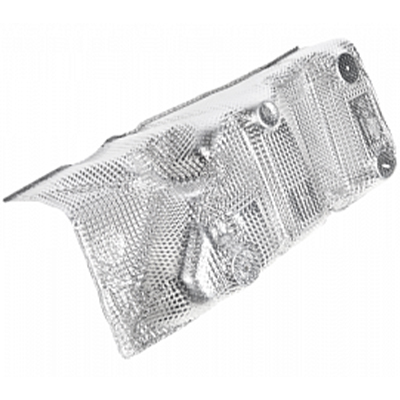
You should choose 6000 or 5000 series alloys. These alloys offer good strength, easy forming, and strong resistance to corrosion. Ask your supplier for advice based on your part’s needs.
You can use a die radius that is 5 to 10 times the sheet thickness. This helps the aluminum bend smoothly. Always check the sheet’s thickness and alloy before you start stamping.
Springback happens because aluminum tries to return to its original shape after bending. You can predict springback by testing the alloy’s strength and thickness. Adjust your die design to control springback.
You should clean and inspect your dies after every shift. Replace worn parts right away. Regular maintenance helps you avoid breakdowns and keeps your stamping line running smoothly.
Wrinkling often happens when you use too little blank holder force or the die clearance is wrong. You can fix this by adjusting the pressure and checking your die design.
Yes, you can use recycled aluminum. It helps lower costs and supports sustainability. Make sure the recycled alloy meets your strength and formability needs before you use it.
You can design efficient strip layouts and use standard sheet sizes. Work with tooling engineers to nest parts closely. This helps you get more parts from each sheet and lowers scrap.
CNC machining shapes die parts with high accuracy. You get tight fits and smooth surfaces. CNC machining helps you make complex dies that meet strict automotive standards.


