Email: admin@yeeshine-tech.com WhatsApp: +86-13712868936

- All
- Product Name
- Product Keyword
- Product Model
- Product Summary
- Product Description
- Multi Field Search
 |


| Quantity: | |
|---|---|
Product Description
An injection mold serves as the critical foundation for household product manufacturing, enabling the rapid, consistent production of complex thermoplastic parts. When developing custom plastic components for daily consumer use, precision tooling ensures every curve, snap-fit, and structural rib translates perfectly from digital concept to physical reality. We guarantee that 100% of the mold intellectual property and ownership remains entirely with you, providing a secure asset for your long-term production strategy. Through transparent project schedule management, we ensure that your tooling investment yields reliable results, delivering T1 trial samples precisely on time. This highly efficient manufacturing process transforms raw polymers into durable, aesthetically pleasing household items, supporting large-volume runs while maintaining strict dimensional stability across every single batch.
The foundation of a reliable production run begins with meticulous engineering. Before any steel is cut, our engineering team conducts comprehensive Design for Manufacturability (DFM) reviews and advanced mold flow analysis. This proactive approach allows us to optimize gate locations, balance wall thickness, and map out highly efficient conformal cooling channels. By simulating the injection process, we effectively eliminate potential molding defects such as sink marks, warpage, and flash before they occur. Complex tooling layouts often incorporate multiple precision slides, angled lifters, ejector pin arrays, and intricate mechanical components to accommodate challenging undercuts and complex geometries specific to household appliances.
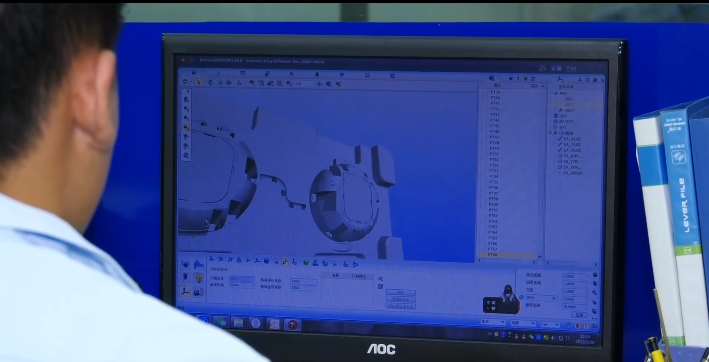
Once the digital blueprint is finalized, the physical tooling construction commences using premium-grade metals. Depending on your specific lifecycle requirements, we utilize top-tier mold steels such as P20, H13, or hardened stainless steel for the core and cavity blocks. This rigorous material selection guarantees exceptional durability, supporting tooling lifespans that can easily exceed one million injection cycles for long-term mass production. The fabrication process involves a sequence of high-precision machining techniques, including heavy-duty rough milling, high-speed CNC finishing, precise Electrical Discharge Machining (EDM) for intricate details, deep-hole drilling for water lines, and meticulous hand grinding. Every steel component is machined to exact tolerances, ensuring the moving and fixed halves mate flawlessly.
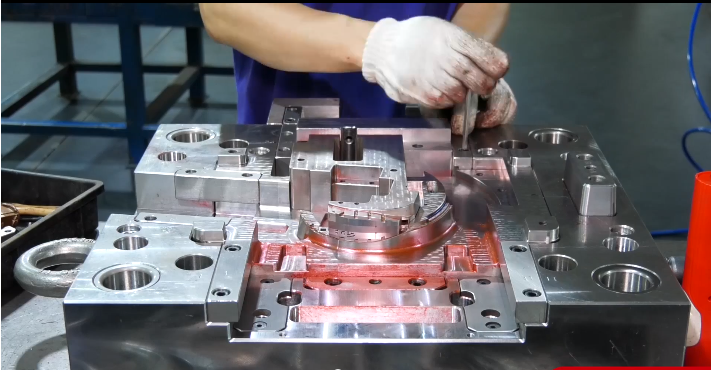
With the tooling fully assembled and rigorously tested, it is securely mounted onto our advanced injection molding presses. We operate a comprehensive range of machine tonnages capable of producing everything from compact internal brackets to large exterior appliance housings. The production cycle begins by feeding thermoplastic resins into the heated barrel. We process a vast array of materials suited for household environments, including durable ABS, impact-resistant PC, flexible PP, and specialized food-grade or eco-friendly polymers. The machine's reciprocating screw melts the plastic pellets into a homogenous, viscous state before injecting the molten material into the closed mold cavity under immense pressure, ensuring every microscopic detail of the steel cavity is perfectly replicated.
The transition from molten liquid to solid part happens rapidly within the pressurized confines of the tool. Strategically placed cooling channels circulate temperature-controlled fluids close to the cavity walls, rapidly extracting heat from the plastic. This controlled thermal management is critical for preventing internal stresses and ensuring the final household product maintains absolute dimensional accuracy. As the material cures, it takes on the exact tactile properties dictated by the mold surface—whether that is a rigid structural feel or a slightly flexible snap-fit component. Efficient cooling not only solidifies the part but also significantly reduces the overall cycle time, maximizing daily output and improving the economic efficiency of your production run.
Once the thermoplastic has fully solidified and reached structural stability, the clamping unit retracts, separating the moving half of the mold from the fixed half. A precisely synchronized ejection system—utilizing an array of ejector pins, stripper plates, or air poppets—gently pushes the newly formed household component out of the core. The tooling is engineered with optimal draft angles and polished surfaces to guarantee a remarkably smooth release, eliminating any risk of drag marks, scuffs, or mechanical damage to the visible surfaces. This seamless ejection sequence is vital for maintaining the aesthetic integrity of consumer-facing products and allows the machine to immediately reset for the next automated cycle.
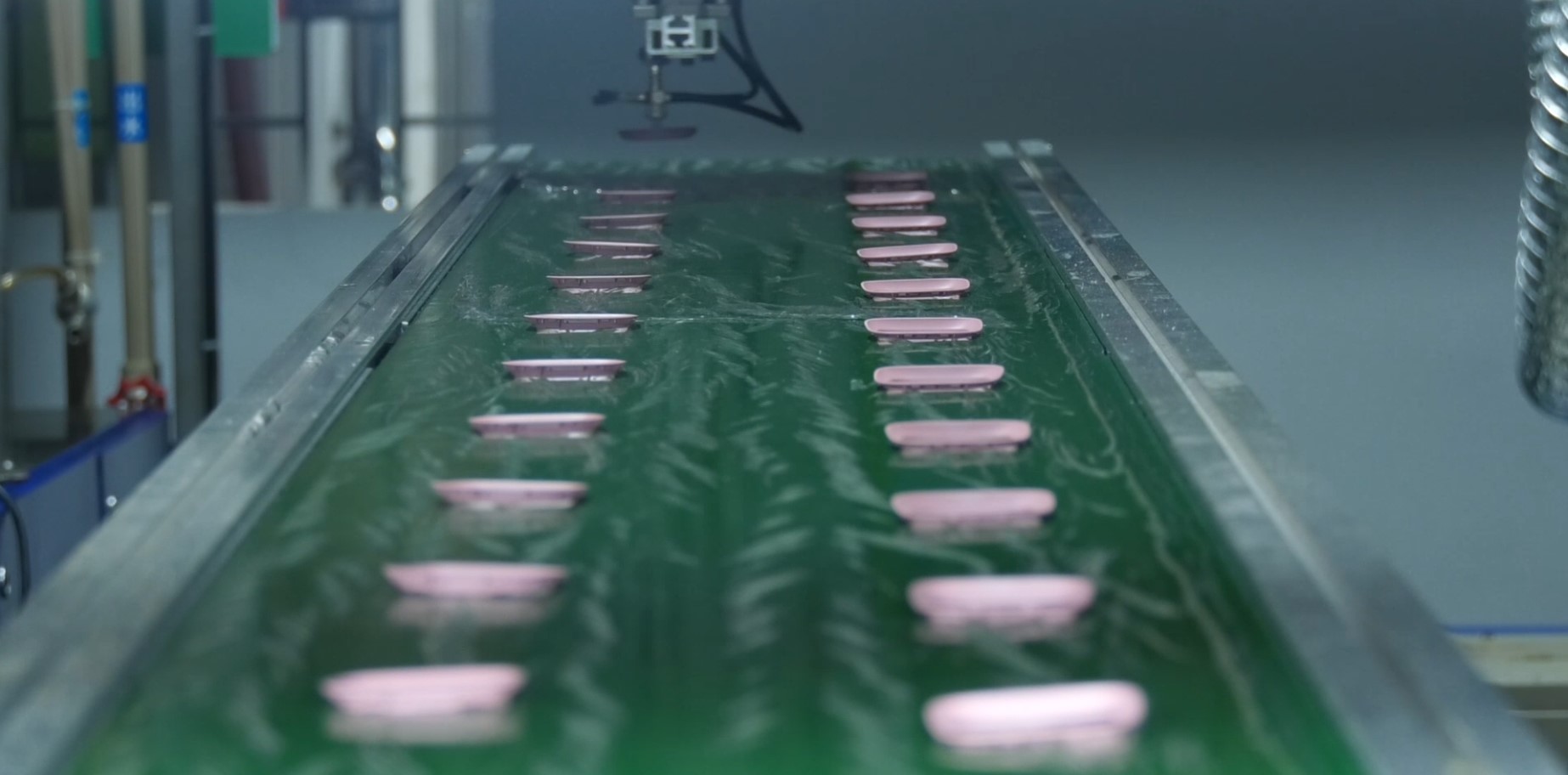
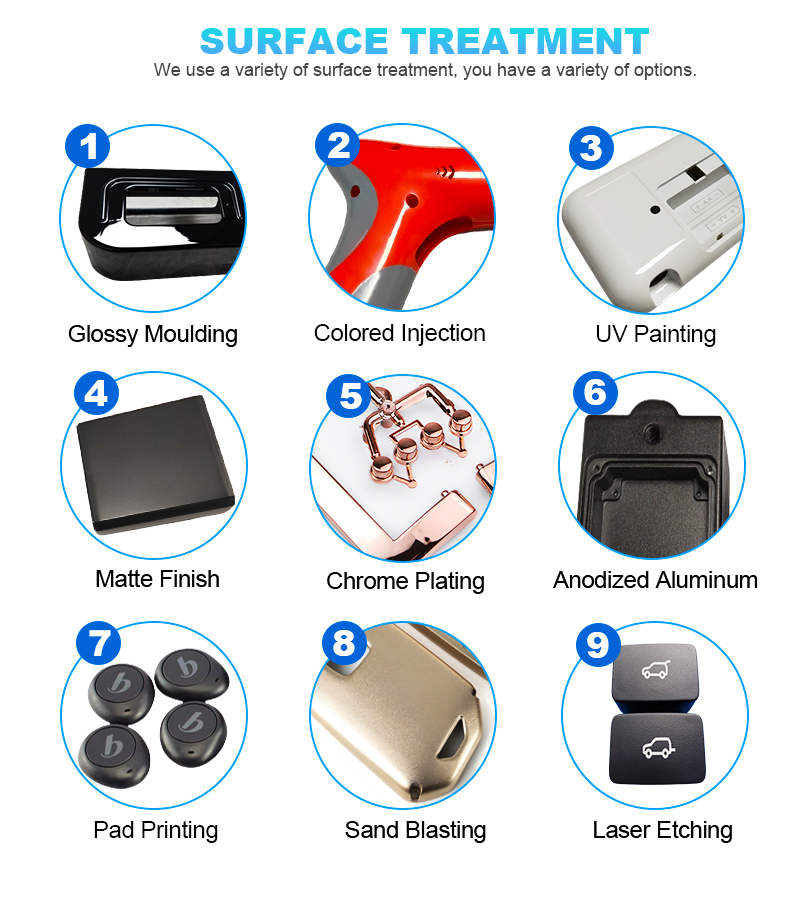
The journey doesn't end as the part drops from the press. Household products demand impeccable visual appeal and specific tactile experiences. To achieve this, we incorporate advanced surface finishes directly into the tooling, offering options ranging from SPI high-gloss mirror polishes to VDI spark finishes and intricate Mold-Tech leather or geometric textures. Beyond in-mold finishes, we provide comprehensive turnkey secondary operations. This includes precision gate trimming, vibrant silk-screen printing for logos, ultrasonic welding for multi-part assemblies, and custom sub-assembly services. By handling the complete post-processing, customized packaging, and logistics distribution under one roof, we dramatically streamline your supply chain and accelerate your product's time-to-market.
Fundamentally, the tooling architecture consists of two primary halves: the moving mold (core side) and the fixed mold (cavity side). When the heavy steel plates clamp shut, they form a hermetically sealed void that dictates the exact geometry of your part. Our engineering ensures that the parting lines are virtually invisible and the release process operates flawlessly. By strictly adhering to ISO 9001 quality management systems, we maintain rigorous control over every variable. We provide comprehensive First Article Inspection (FAI) and detailed Production Part Approval Process (PPAP) reports, ensuring exceptional repeatability and tight dimensional tolerances across millions of identical units.
While the initial engineering and machining of custom tooling represent a significant upfront investment, the unparalleled speed and massive output capacity of this manufacturing method yield an incredibly low cost-per-part. This economy of scale makes it the most financially viable solution for bringing high-volume consumer goods to market. The robust steel construction guarantees that your tooling asset will perform consistently shift after shift, year after year, maximizing your return on investment.
From durable kitchen appliance housings and ergonomic bathroom accessories to smart home device enclosures and daily storage containers, our custom plastic injection molding solutions serve a vast array of applications. Beyond the household sector, this versatile manufacturing technology remains the backbone of the consumer electronics, automotive, packaging, and medical device industries, delivering the structural integrity and aesthetic perfection that modern consumers demand.


