Email: admin@yeeshine-tech.com WhatsApp: +86-13712868936

- All
- Product Name
- Product Keyword
- Product Model
- Product Summary
- Product Description
- Multi Field Search
 |


| Quantity: | |
|---|---|
Product Description
Injection molding stands as one of the most reliable and scalable manufacturing processes available today, designed for producing high-precision parts by injecting molten material into a custom-machined mould. Whether you are developing complex industrial components or everyday consumer products, this process offers unparalleled repeatability and efficiency. However, moving from a product concept to a finalized production run requires a smooth transition, which fundamentally begins with a comprehensive and accurate quotation process.
Securing an instant and precise quote is the critical first step in any manufacturing project. Often, purchasing managers and product developers face unnecessary delays due to fragmented communication or incomplete project scopes. When initial inquiries lack foundational clarity, it inevitably leads to prolonged back-and-forth discussions, delayed project timelines, and preliminary cost estimates that may not accurately reflect the final production reality. Navigating these early stages efficiently is vital for maintaining your overall project schedule and controlling procurement risks.
This is where upfront preparation becomes invaluable. If you can provide complete and structured information the very first time you reach out, it fundamentally transforms the quotation dynamic. A well-prepared Request for Quotation (RFQ) eliminates guesswork, allowing the engineering and estimation teams to conduct a thorough feasibility evaluation immediately. Not only does this significantly shorten the time required to generate a quote, but it also ensures that the pricing provided is highly accurate, realistic, and strictly tailored to your specific project requirements. Accurate upfront information prevents unexpected tooling modifications or unit price adjustments later in the production phase, thereby safeguarding your project budget.
Furthermore, submitting a clear and comprehensive request fosters highly efficient, two-way communication between you and the molding factory. Instead of spending valuable days clarifying basic project parameters, the manufacturer can immediately focus on adding strategic value. This allows for proactive discussions regarding structural optimizations, potential cost-saving opportunities, and overall project viability. This level of professional exchange helps you effectively grasp the key technical points, assess the manufacturer's capability, and establish a strong foundation of trust early in the procurement relationship.
To streamline your procurement process and guarantee a swift, accurate response from your manufacturing partner, it is essential to structure your inquiry effectively. By mastering the core requirements of an injection molding RFQ, you can avoid common communication pitfalls, reduce selection risks, and significantly accelerate your time-to-market. To ensure a highly efficient evaluation, the following three elements need to be provided:
To ensure an accurate and competitive quotation for your hot runner injection molding project, providing clear foundational data is essential. This basic information allows the engineering team to evaluate tooling complexity, optimize production efficiency, and eliminate hidden costs during the manufacturing phase.
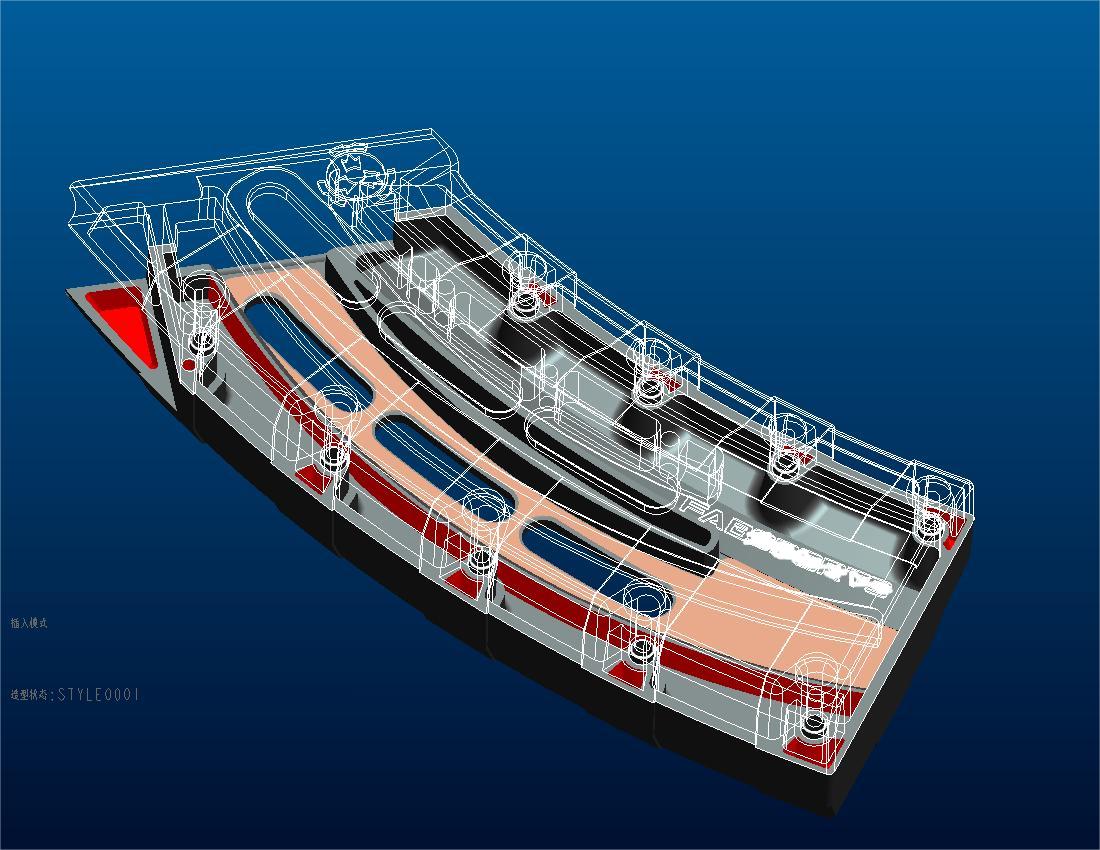
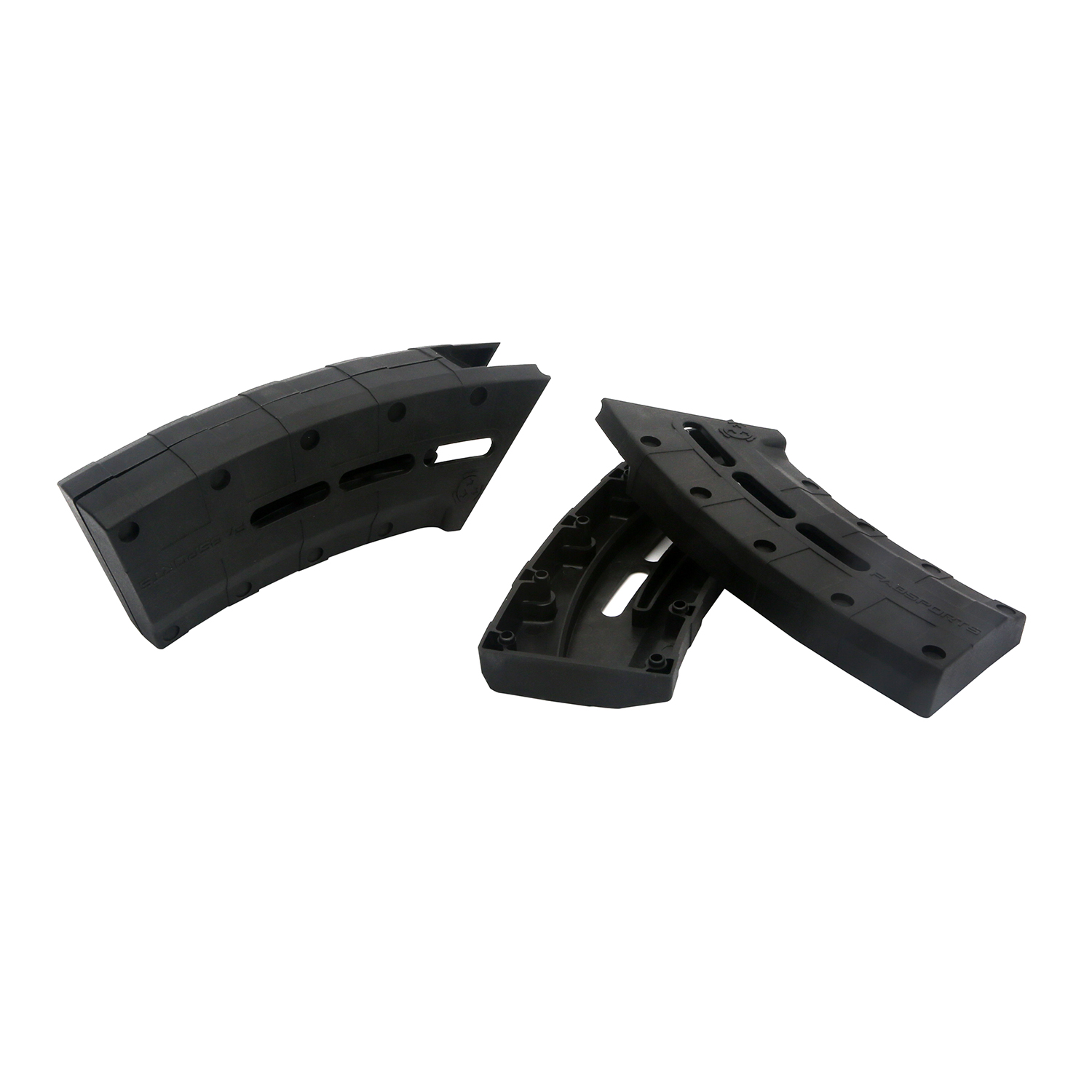
Providing comprehensive 3D drawings (such as STEP, IGES, or X_T formats) or actual physical samples is the most critical step in the quotation process. Unlike standard cold runner systems, hot runner injection molding requires precise calculations for gate positioning, thermal dynamics, and mold flow analysis. Detailed 3D data also enables engineers to conduct Design for Manufacturability (DFM) reviews early in the process, identifying potential molding defects like sink marks or warpage before any steel is cut.
While 2D drawings or reference photos can offer a general idea of the product, they lack the essential volumetric data needed to assess wall thickness variations, undercut complexities, and overall part geometry. Relying solely on 2D files often leads to rough estimates or inaccurate pricing. With a complete 3D model, the manufacturing team can accurately calculate the required mold steel size, machining hours, and the optimal hot runner manifold configuration, ensuring that the initial quote aligns perfectly with the final production costs.
Your projected manufacturing volume—whether calculated on a monthly or yearly basis—directly influences the entire tooling strategy. The purchasing quantity dictates the number of mold cavities required to meet your production schedule and determines the most appropriate grade of mold steel.
For high-volume production, investing in a multi-cavity mold with premium hardened steel (such as H13) and a highly efficient hot runner system will significantly reduce the cycle time and the unit cost per part. Accurate volume forecasts also allow for better planning of mold maintenance intervals, ensuring the hot runner system performs consistently over its entire lifecycle. Conversely, if your project involves low-volume manufacturing, the engineering team can suggest a more cost-effective tooling approach that minimizes your initial investment while still meeting strict quality standards. Clearly stating your volume expectations helps balance upfront mold costs with long-term piece-part savings.
Specifying the exact plastic resin is vital because different polymers exhibit unique flow characteristics, melt temperatures, and shrinkage rates. These material properties directly impact the design of the hot runner nozzles, the temperature control systems, and the overall cooling layout of the mold. Additionally, specifying whether the material requires specific additives, such as glass fibers or flame retardants, is crucial, as these can affect tool wear and require specialized hot runner tips.
If you have already selected a specific resin (such as ABS, PC, PA66, or POM), please include this in your inquiry. If you are unsure which plastic material is best suited for your project, simply inform us of the product's intended usage and operating environment. By understanding factors like mechanical stress, UV exposure, chemical resistance, and temperature extremes, our engineering team can provide professional recommendations. This ensures the selected material not only meets your performance requirements but also optimizes the injection molding process for consistent quality.
 |  |
When preparing for a hot runner injection molding project, detailing the visual and cosmetic expectations is the second critical step in securing an accurate and reliable quotation. Appearance information goes far beyond simple aesthetics; it fundamentally dictates the mold design complexity, steel selection, and processing parameters. Providing precise appearance requirements upfront helps purchasing teams avoid misaligned expectations and ensures that the manufacturing budget is optimized for the specific application.
1. Color Specifications and Matching
The color of your molded parts is a primary consideration. Standard production typically involves baseline options such as transparent, solid white, and solid black. However, most custom manufacturing projects require precise brand color matching. To ensure an accurate quote and production run, it is highly recommended to provide a physical reference sample or a standardized color ticket number (such as a specific Pantone or RAL code). The chosen color strategy—whether using color masterbatches, liquid colorants, or pre-colored compounded resins—impacts the material pricing. Furthermore, achieving high-clarity transparent parts or perfectly consistent custom colors often necessitates specialized hot runner temperature controls and rigorous purging processes, which are factored into the overall manufacturing cost.
2. Application Context: Internal Components vs. Exterior Parts
Clearly identifying whether the product will be used as an internal component or an exterior visible part is vital for cost optimization. Internal components are typically hidden within an assembly. For these parts, the primary focus is on structural integrity, dimensional tolerances, and mechanical stability rather than visual perfection. Accepting minor, non-functional cosmetic variations—such as slight flow lines or visible ejector pin marks—can significantly reduce the required mold finishing time and lower the overall tooling cost.
In contrast, exterior parts demand flawless cosmetic surfaces. These visible components require sophisticated hot runner gating strategies to completely conceal injection points and minimize weld lines. Manufacturing exterior parts necessitates premium-grade mold steels and rigorous quality inspection protocols, which naturally increases the required investment.
3. Surface Treatment and Cost Impact
The final tactile and visual finish of the part is a major cost driver in the injection molding process. Common surface treatments range from high-gloss mirror finishes to various grades of matte or textured surfaces. A glossy surface requires intensive, high-level mold polishing and specific hard tooling steels to maintain that polish over thousands of cycles. Alternatively, matte finishes require specialized mold texturing techniques like electrical discharge machining (EDM) or chemical etching.
Ultimately, different colors, visual qualities, and surface appearance requirements will directly affect the manufacturing cost. Clarifying whether you need a basic functional finish or a premium cosmetic appearance allows the engineering team to provide a precise, transparent quotation tailored to your exact project needs.
When preparing for a comprehensive manufacturing quotation, the third critical element involves secondary operations and post-processing requirements. Beyond the foundational molding process, these additional steps are essential for achieving the final functionality, aesthetic appeal, and market readiness of your plastic components. Providing detailed specifications for these operations ensures a highly accurate cost assessment and helps prevent unexpected delays during production.
A major factor in post-processing evaluation is determining whether the product requires embedded components, such as brass nuts, metal inserts, or internally/externally molded plastic threads. The integration method significantly impacts both tooling design and unit cost. For instance, inserts can be placed directly into the mold prior to injection (insert molding) for maximum pull-out strength, or they can be installed post-molding using heat staking or ultrasonic welding techniques. Similarly, creating precise plastic threads may require complex mold mechanisms like unscrewing cores or collapsible collars. Clearly specifying these mechanical requirements allows the engineering team to select the most cost-effective and reliable manufacturing method for your project.
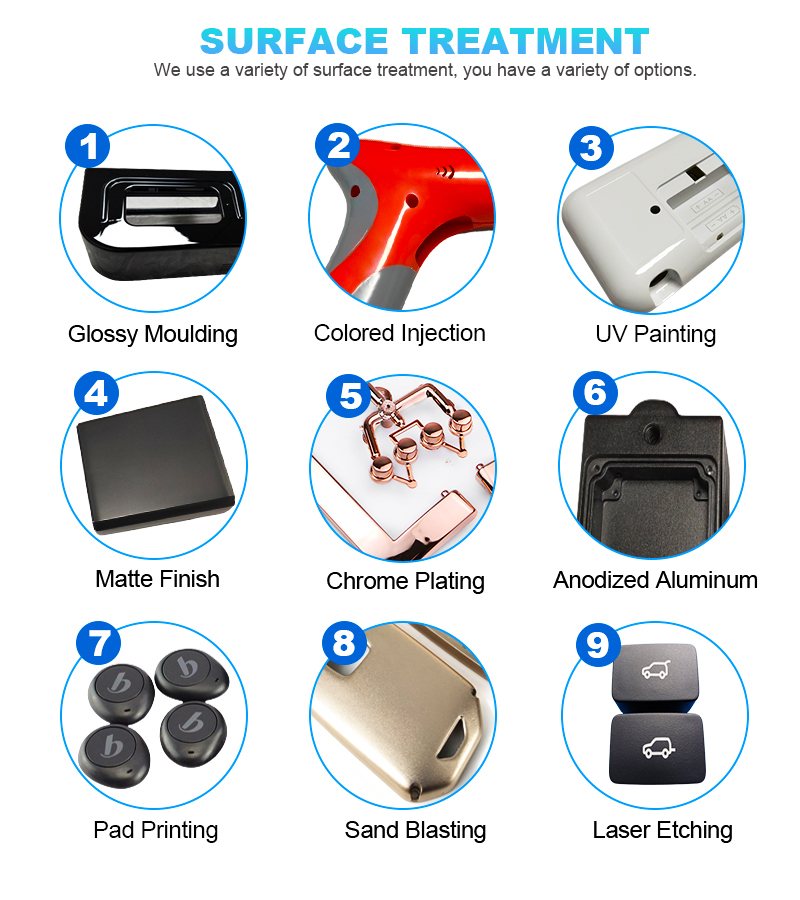
Another vital consideration is whether the finished product needs secondary surface treatments to meet branding or functional standards. Common post-processing techniques include silk screen printing, pad printing, UV painting, electroplating, water transfer printing, and laser etching. Each of these processes introduces new variables into the manufacturing workflow. Electroplating, for example, requires specific plating-grade plastic materials and meticulous handling to avoid surface contamination. Painting or printing necessitates custom masking fixtures and precise alignment protocols. By outlining your exact finishing needs—including the number of printed colors, the required durability of the coating, or specific plating thicknesses—you enable the manufacturer to accurately calculate the additional labor, materials, and quality control steps involved.
The more precise and refined the appearance of the product, the higher the level of protection required during handling and transit. High-gloss finishes, transparent lenses, or electroplated surfaces are highly susceptible to scratching and require specialized packaging solutions. This might include applying protective films to individual parts, using custom blister trays, or utilizing divided export cartons with pearl cotton inserts. While standard bulk packaging is cost-effective for internal structural components, premium consumer-facing products demand rigorous packaging standards. Communicating your quality expectations and packaging requirements upfront ensures that the quoted material costs and packing labor accurately reflect the level of protection your finished product needs.
We strive to provide a comprehensive, end-to-end manufacturing service for our global customers. From expert part engineering and mold flow analysis to high-quality final production and intricate post-processing, we handle every detail with precision. When you choose to partner with us, you are collaborating with a professional injection molding manufacturer boasting more than 20 years of industry experience. Our deep expertise allows us to anticipate potential manufacturing challenges and optimize secondary operations for maximum efficiency.
As long as you provide specific and complete information regarding your embedded parts, surface treatments, and packaging needs, our engineering team can offer flexible, customized solutions. By communicating fully with us, you leverage our two decades of technical know-how to streamline your supply chain, reduce overall production costs, and ensure your products reach the market with exceptional quality. Contact us today with your complete project details to receive a highly accurate, competitive quotation.


