Email: admin@yeeshine-tech.com WhatsApp: +86-13712868936

- All
- Product Name
- Product Keyword
- Product Model
- Product Summary
- Product Description
- Multi Field Search

Views: 0 Author: Site Editor Publish Time: 2026-01-12 Origin: Site


Injection molding has become an essential manufacturing process across a wide range of industries. It is primarily used to produce complex plastic parts by injecting molten material into a mold, where it solidifies into the desired shape. The precision, efficiency, and cost-effectiveness of injection mold processes have made them indispensable for producing high-volume parts with intricate designs. However, like any machinery, injection mold machines require regular maintenance to ensure consistent performance, extend their lifespan, and avoid costly production downtime.
This article delves into the significance of injection mold maintenance, exploring why it is crucial for maintaining the efficiency of injection mold tooling, reducing injection mold cost, and ensuring the production of high-quality components. We'll cover the importance of mold components, proper care, and tips for maintenance, with an emphasis on minimizing the risk of damage and prolonging the life of injection mold parts.
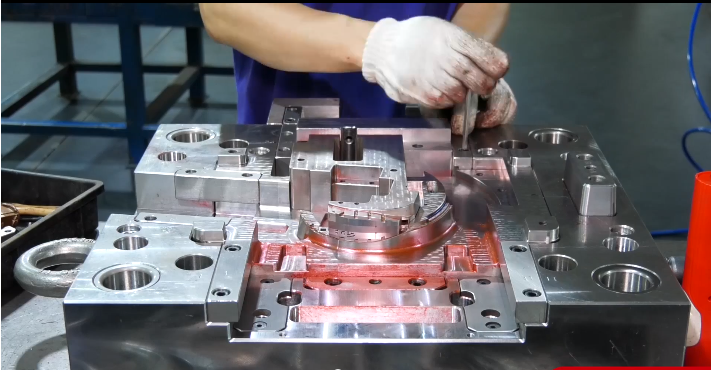
Injection mold maintenance refers to the routine tasks performed to keep injection molds and injection mold machines in optimal working condition. These tasks include cleaning, lubrication, inspection, and repair of various mold components to ensure proper functioning. Effective maintenance reduces the risk of mold failure and helps maintain part consistency and quality in production.
Mold maintenance is crucial for both injection mold tooling and injection mold components because even minor issues with the tooling or components can lead to defects, production delays, or costly repairs. Proper care of the injection mold parts ensures that the injection molding machine operates efficiently and produces parts with tight tolerances.
1. Improved Efficiency and Performance
One of the most significant benefits of regular injection mold maintenance is improved machine efficiency and performance. A well-maintained mold operates at peak efficiency, which reduces cycle times and energy consumption. When the injection mold machine is performing optimally, manufacturers can produce more parts per hour while maintaining consistent quality.
2. Cost Reduction
While maintaining molds may seem like an additional expense, it is actually an effective cost-saving strategy in the long run. By preventing unexpected breakdowns, reducing defects, and avoiding mold replacements, manufacturers can significantly reduce injection mold cost. Moreover, maintenance can help optimize the lifespan of injection mold parts, minimizing the frequency of costly repairs or replacements.
3. Consistency in Part Quality
Regular mold maintenance ensures that each molded part is produced to the required specifications. Maintenance tasks, such as ensuring proper lubrication and alignment of mold components, prevent defects such as part warping, dimensional errors, and surface imperfections. These issues can lead to costly rework and negatively impact product quality, making maintenance a key factor in maintaining consistency.
4. Reduced Downtime
Unscheduled downtime can significantly disrupt production schedules and affect overall manufacturing efficiency. Injection mold machines are often crucial to high-volume production lines, and unexpected breakdowns can lead to delays, customer dissatisfaction, and missed deadlines. Regular inspection and maintenance of mold components can prevent these issues, ensuring that the molds remain in good working condition.
To ensure effective maintenance, it's essential to focus on key areas of the injection mold tooling and injection mold components. Here are the primary aspects of mold maintenance:
Cleaning is one of the most critical aspects of injection mold maintenance. Injection molds are exposed to various materials, such as resins, lubricants, and release agents, during the molding process. Over time, these substances can build up and cause blockages, leading to poor material flow and mold damage.
Regular cleaning ensures that there are no contaminants in the mold cavity, which could lead to part defects. Using non-abrasive cleaning methods, such as ultrasonic cleaning, can help prevent damage to delicate mold components while ensuring that the mold is free of debris.
Mold lubrication is crucial for reducing friction between moving parts. Injection mold parts such as ejector pins, slides, and cores require adequate lubrication to ensure smooth operation. Proper lubrication also helps reduce wear and tear on mold components, preventing premature failure.
Lubrication should be performed regularly, especially in high-wear areas. The type of lubricant used must be compatible with the material being molded to avoid contamination and product defects.
Correct mold alignment is essential to ensure that the injection mold machine operates smoothly. Over time, molds can shift slightly out of alignment due to vibration, thermal expansion, or wear. Misaligned molds can lead to issues such as incomplete filling, short shots, and defects in part quality.
To prevent alignment problems, regular checks should be performed to ensure that the mold halves are properly aligned. Any misalignment should be corrected immediately to avoid further damage to the mold or injection mold components.
Routine inspection of mold components, including cores, cavities, and ejector systems, is essential for identifying signs of wear or damage. Injection mold components that are worn or damaged can significantly impact part quality and machine performance. Inspecting parts for cracks, chips, or deformations allows manufacturers to replace damaged components before they cause production issues.
In particular, mold cooling channels must be checked for blockages, as these can reduce the cooling efficiency of the mold and cause uneven cooling, leading to part warping or other defects.
As with any machinery, injection mold parts will inevitably experience wear and tear over time. Parts that experience high friction, such as ejector pins, guide pins, and sliders, are particularly susceptible. Regular maintenance, including the replacement of worn parts, helps ensure that the mold continues to perform optimally.
Mold wear can be minimized by using high-quality materials for mold components, as well as selecting proper processing conditions, such as temperature and pressure control, to avoid excessive wear.

A preventive maintenance schedule is crucial for ensuring the longevity of injection mold tooling and injection mold components. Establishing a routine for cleaning, lubricating, inspecting, and replacing parts will help reduce the risk of unexpected failures and improve the efficiency of the injection mold machine.
Proper training for mold operators and technicians is essential for performing effective maintenance. Ensuring that personnel are knowledgeable about the mold's components, common issues, and best practices for maintenance will lead to fewer mistakes and better care for the injection mold parts.
The quality of the injection mold machine and its components is directly linked to the quality of the molded parts. Using high-quality injection mold tooling and materials can reduce the frequency of maintenance and extend the lifespan of the molds. When repairing or replacing mold components, always use parts that meet the manufacturer's specifications.
Regular monitoring of the injection mold machine can help identify issues before they become serious problems. Keeping track of cycle times, temperature variations, and part quality can reveal underlying issues that may require maintenance or adjustment.
Q1: How often should I perform maintenance on my injection mold?
The frequency of maintenance depends on the volume of production and the complexity of the mold. For high-volume molds, maintenance should be performed more frequently, with monthly or quarterly inspections. For lower-volume molds, maintenance may be needed less often, but regular inspections are still recommended.
Q2: Can I reduce the cost of injection mold maintenance?
Yes, by implementing a preventive maintenance plan, you can reduce the need for costly repairs and extend the lifespan of the mold. Regular cleaning, lubrication, and component inspection will prevent larger issues and reduce overall injection mold cost.
Q3: What are the signs that my injection mold needs maintenance?
Common signs that a mold needs maintenance include production delays, part defects, increased cycle times, and irregular part dimensions. If the mold is not producing consistent, high-quality parts, it may require maintenance.
Q4: How can I reduce wear on injection mold parts?
Reducing wear on injection mold components can be achieved by proper lubrication, using high-quality materials, and maintaining optimal processing conditions such as temperature control and pressure management. Regular inspections will also help identify and address wear before it leads to more significant problems.


