Email: admin@yeeshine-tech.com WhatsApp: +86-13712868936

- All
- Product Name
- Product Keyword
- Product Model
- Product Summary
- Product Description
- Multi Field Search


Have you ever wondered how precise metal parts are made? From aerospace components soaring above us to intricate medical devices saving lives, modern manufacturing relies heavily on skilled experts. These professionals program and operate complex machinery to turn raw materials into critical hardware. In this comprehensive guide, you will discover exactly what these technicians do on a daily basis. We will also explore how their roles are evolving in a technology-driven world and what it takes to master this demanding trade.
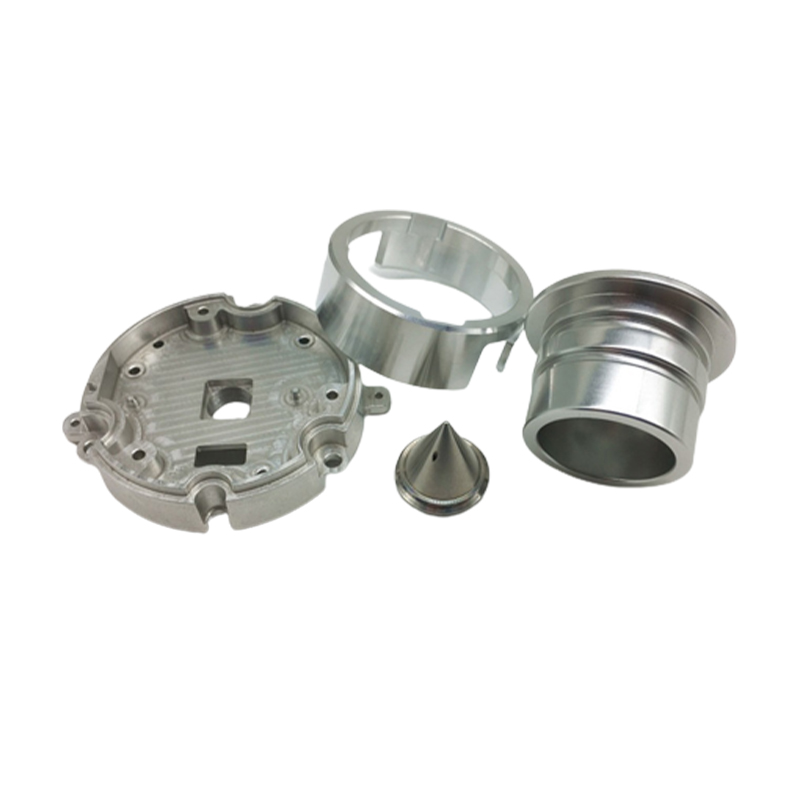
A computer numerically controlled manufacturing specialist is a highly trained professional. They are responsible for setting up, programming, and operating computer-driven machinery. These robust machines include lathes, mills, and grinders. They carve precision parts out of raw metal, plastic, or composite blocks. The core of this role requires translating complex engineering blueprints and computer-aided design models into tangible components with exact specifications.
Unlike traditional manual machining where a craftsman physically guides cutting tools using handwheels, modern manufacturing relies on specifically programmed alphanumeric commands. The CNC machinist ensures that these codes accurately dictate the movement, spindle speed, and cutting depth of the tooling. This profession sits uniquely at the intersection of traditional mechanical craftsmanship and modern software algorithms. To succeed, one must intuitively understand the physical properties of various alloys while fluently speaking the digital language of the equipment.
In the broader manufacturing sector, the titles of machinist and operator are frequently used interchangeably by those outside the industry. From a technical and operational standpoint, however, there is a distinct hierarchy in responsibilities, expertise, and compensation. Grasping this distinction is crucial for facility managers looking to optimize their workforce and for individuals mapping out their career trajectories.
A CNC operator is generally considered an entry-level position. Their primary duty is to keep the production line running efficiently after a machine has been fully set up by a senior technician. Operators load raw blanks into the machine, initiate the automated cycle, and safely remove the finished parts. They perform routine quality checks using basic metrology tools like calipers. If a tool breaks or a part fails inspection, the operator typically halts production and alerts a supervisor.
Conversely, a fully qualified machinist possesses a comprehensive mastery of the entire fabrication process. They do not merely press buttons. They dictate exactly how the machine should behave. These experts handle the initial setup, select the appropriate cutting tools, install custom workholding fixtures, and establish tool offsets. When a process is inefficient, they possess the analytical depth to rewrite the programming code, adjust feed rates, and optimize the toolpath to prevent premature wear.
To provide a clear objective overview, the following table outlines the fundamental differences between these two vital roles:
| Feature / Responsibility | CNC Operator | CNC Machinist |
|---|---|---|
| Primary Function | Running pre-programmed machines, loading, and unloading parts. | Setting up machinery, writing programs, and optimizing processes. |
| Programming Skills | Minimal to none. May make minor wear offset adjustments. | Highly proficient in G-code, M-code, and computer-aided manufacturing software. |
| Troubleshooting | Identifies obvious surface defects and stops the machine. | Diagnoses root causes, adjusts cutting parameters, and prevents recurrence. |
| Tooling Knowledge | Recognizes when a standard tool is broken or audibly worn out. | Selects specific tool geometries, coatings, and calculates spindle speeds and feeds. |
The daily workflow in a machine shop is rigorous and deeply immersive. A typical shift kicks off under bright factory lights with a thorough review of detailed blueprints and work orders. The machinist analyzes three-dimensional models to visualize the sequence of operations required to transform a raw block of steel or aluminum into a polished component.
Following the planning phase, the setup begins. This hands-on process involves meticulously securing the raw material into vises or custom chucks. Once clamped tight, the programming code is transferred to the machine console. Before cutting any actual metal, the technician runs a digital simulation in the air to verify that the spindle will not crash into the fixture.
As the first article is cut, the air fills with the distinct scent of coolant and the heavy hum of high-speed milling. The machinist remains hyper-vigilant. They listen for abnormal vibrations known as chatter and watch chip formation closely to ensure proper material evacuation. Finally, they use highly sensitive instruments to measure the freshly cut part, ensuring it aligns perfectly with the strict engineering tolerances demanded by the client.
To excel in this unforgiving landscape, individuals must cultivate a robust blend of technical skills and analytical thinking. A deep understanding of applied mathematics is non-negotiable. Professionals use geometry and trigonometry constantly to calculate intersecting angles, complex toolpaths, and optimal cutting speeds. Furthermore, interpreting geometric dimensioning and tolerancing symbols is critical for maintaining strict quality compliance.
As technology shrinks the size of commercial products, there is a surging demand for specialized disciplines like micro machining. This niche involves removing material at a microscopic level to create features often invisible to the naked eye. It is primarily utilized for the medical implant or telecommunications sectors.
Executing such microscopic tasks requires an advanced grasp of thermal dynamics and extreme precision. For instance, working with medical-grade materials like Titanium Grade 5 or high-performance plastics like PEEK requires maintaining tolerances as tight as plus or minus 0.002 millimeters. Even a fraction of a degree in ambient temperature change can cause the workpiece to expand enough to ruin the part. Machinists must calculate spindle speeds exceeding 50,000 revolutions per minute while maintaining incredibly low feed rates. This prevents fragile, hair-thin tools from deflecting or snapping, all while achieving a flawless surface roughness of Ra 0.2.
A modern manufacturing workspace is a blend of heavy industrial equipment and delicate scientific instruments. The primary workhorses are milling machines, which utilize rotating cutters to shave away material, and lathes, which spin the workpiece rapidly against a stationary cutting insert.
Advanced facilities frequently deploy multi-axis machining centers. These marvels of engineering can manipulate a part from five different angles simultaneously. They carve out organic, complex geometries without the need to manually unclamp and reposition the material. When selecting the right machining approach, engineers evaluate part complexity directly. Standard prismatic parts with flat surfaces are ideal for 3-axis setups. However, aerospace impellers or anatomical bone plates require the simultaneous interpolation of 5-axis systems to maintain continuous tool engagement and achieve superior surface finishes.
Beyond the heavy iron, precise metrology tools are just as important. Calipers, micrometers, bore gauges, and dial indicators are utilized constantly to verify dimensions. For highly complex aerospace or medical parts, shops rely on a coordinate measuring machine. This device uses a highly sensitive touch probe or laser to digitally map the physical dimensions of the finished product. It compares the physical part directly against the original computer-aided design file for ultimate quality assurance.
The pathway to becoming a master of this trade requires dedicated education and thousands of hours of practical training. While a high school diploma with a strong background in physics and math is the baseline, most top-tier employers look for formal post-secondary education.
Many enter the field through technical colleges, earning an associate degree in advanced manufacturing or machine tool technology. These programs lay a strong foundation in metallurgy, blueprint reading, and programming logic. Apprenticeships remain a highly respected alternative route. By combining classroom theory with paid mentorship under a veteran machinist, apprentices gain invaluable real-world experience. Earning credentials from recognized metalworking institutes serves as a gold standard, instantly validating a candidate to prospective employers.
The manufacturing landscape is undergoing a monumental shift characterized by the integration of artificial intelligence, real-time data analytics, and industrial internet technologies. Recent market analysis reveals a significant transformation in global production networks. Supply chain vulnerabilities over the past few years have accelerated reshoring initiatives. Companies are bringing critical manufacturing back closer to home. This shift has exposed a severe skilled labor shortage, driving up the demand and compensation for elite technical talent.
A common misconception is that automation and robotics will render the human worker obsolete. In reality, these technologies are elevating the role. Today, the machinist acts more like a process manager. While collaborative robots handle the heavy lifting and repetitive loading, the human expert analyzes sensor data to predict tool wear. They optimize artificial intelligence-driven toolpaths in virtual digital twins and troubleshoot complex hybrid manufacturing systems that combine 3D printing with subtractive finishing.
When original equipment manufacturers or hardware startups need to bring a prototype to life, they rarely rely on in-house production. The steep capital investment for state-of-the-art 5-axis machinery, combined with the challenge of recruiting elite talent, makes outsourcing the most logical business strategy. Consequently, these companies partner with a dedicated CNC manufacturing service to fulfill their critical production needs.
The true value of an outsourced partner lies not just in their expensive machinery, but in the human expertise they employ. An experienced machinist evaluates a client design for manufacturability. They look at a theoretical digital file and suggest practical design modifications. For example, they might recommend adding corner radii to accommodate standard end mills or adjusting wall thicknesses to prevent warping during machining. This collaborative problem-solving bridges the gap between theoretical engineering and physical reality. It ultimately lowers production costs, reduces material waste, and shortens lead times for the end client.
Driven by the continuous integration of advanced automation and the reshoring of critical supply chains, the career outlook for skilled manufacturing professionals remains exceptionally strong. Salary expectations vary based on geographic location, technical proficiency, and the specific industry served. Those working in high-compliance sectors like aerospace defense or medical device manufacturing typically command premium wages due to the extreme precision and rigorous documentation required.
Entry-level operators usually start at a competitive hourly rate. This scales up significantly as they master multi-axis programming and complex setups. Experienced professionals have clear, lucrative pathways to advance into roles such as programmers, quality control managers, or shop floor supervisors. This ensures long-term career stability and growth.
Transitioning requires dedication and a willingness to learn outside of normal working hours. While operating a machine teaches you the basic rhythm of the shop floor, becoming a full machinist requires studying programming languages, advanced mathematics, and tooling geometry. Many operators achieve this by shadowing senior staff and taking specialized courses at local technical colleges.
A programmer focuses primarily on the software side, using computer-aided manufacturing programs to generate the code that dictates machine movements. They often work in an office environment. A machinist, however, is hands-on at the shop floor. They take that code, set up the physical machine, install the cutting tools, and ensure the actual production runs smoothly. In many advanced shops, senior machinists perform both roles seamlessly.
Becoming proficient typically takes three to five years of hands-on experience. The first year usually involves learning basic operations, blueprint reading, and measurement techniques. True mastery, which includes complex multi-axis programming, understanding material metallurgy, and advanced troubleshooting, requires years of continuous learning and practical application on the factory floor.
No, they will augment them. While robots are excellent at repetitive tasks like loading raw materials, they lack the intuitive problem-solving skills required to troubleshoot unexpected chatter, adjust for thermal expansion, or optimize a failing toolpath. The role is evolving from manual labor to highly technical process management, making human expertise more critical than ever.
Ultimately, a skilled manufacturing specialist does much more than transform raw materials. They bridge the gap between digital concepts and physical reality. While advanced automation continues to reshape the factory floor, the need for human intuition, problem-solving, and precise execution remains irreplaceable. From entry-level operators handling daily machine cycles to master programmers troubleshooting complex multi-axis systems, these dedicated experts drive the industry forward. If you are looking to bring your complex designs to life with uncompromising precision, partnering with the right experts is essential. Whether you need rapid prototyping or high-volume production, you can explore professional solutions and find the perfect manufacturing match at Yeeshine Tech to ensure your project succeeds with the highest industry standards.


