Email: admin@yeeshine-tech.com WhatsApp: +86-13712868936

- All
- Product Name
- Product Keyword
- Product Model
- Product Summary
- Product Description
- Multi Field Search

Views: 0 Author: Site Editor Publish Time: 2026-10-20 Origin: Site


Choosing the wrong metal can completely derail a manufacturing project. It often leads to exorbitant costs, excessive tool wear, and delayed production timelines. The reality on the factory floor is that a single universal material for every application simply does not exist. Your ideal choice hinges on a delicate balance between strict budget constraints and mandatory physical properties. In this engineering guide, we dive deep into material selection. We will explore the top options for your next production run to ensure optimal performance, structural integrity, and long-term cost-efficiency.
Recent shifts in global manufacturing heavily influence how engineers approach material selection today. The explosive growth of the electric vehicle market and modern renewable energy infrastructure dictates a massive surge in demand for high-conductivity copper and advanced lightweight aluminum alloys. Simultaneously, the relentless push for miniaturization in consumer electronics requires metals that can withstand micro-stamping processes without compromising structural integrity. Understanding these macro trends helps procurement teams future-proof their supply chains while selecting the most appropriate alloys for current projects.
In industrial manufacturing, metal stamping is a cold-forming process. It utilizes specialized dies and heavy-duty stamping presses to transform flat sheet metal into specific three-dimensional shapes. This high-speed, cost-effective manufacturing method actually encompasses several distinct techniques operating simultaneously or sequentially. Blanking involves cutting the initial rough shape from a continuous coil. Punching creates precise holes and slots, while bending deforms the metal along a straight axis. Coining applies immense localized pressure to imprint fine surface details. Flanging creates a bend along a curved line to increase structural rigidity. Because the entire operation runs at room temperature, the process relies on sheer mechanical force rather than heat to manipulate the grain structure of the material.
The physical properties of a chosen metal directly dictate the success or failure of the manufacturing run. Material choice affects everything from the required press tonnage to the operational lifespan of the stamping dies. If an engineer specifies a highly brittle alloy for a deep-draw stamping project, the material will likely fracture or tear during production. Choosing a metal that is too soft might result in premature part failure under mechanical stress in the field.
Materials behave vastly differently under extreme pressure. High-strength metals exhibit significant springback, which is the tendency of a metal to return to its original shape after bending. This requires highly specialized die compensations and precise clearance calculations. Selecting the incorrect metal leads to higher defect rates, catastrophic tool wear, and compromised product functionality.
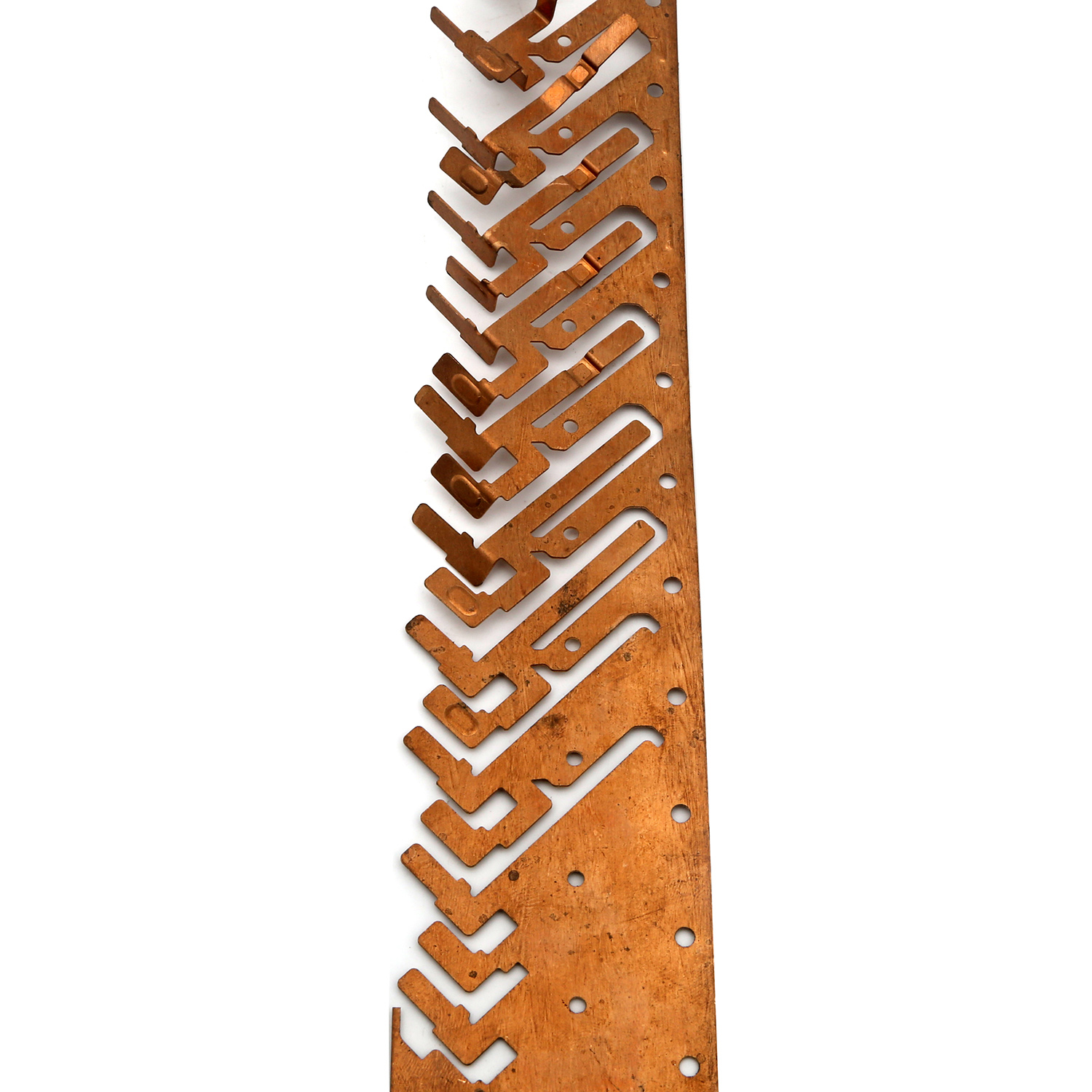
Before evaluating specific alloys, engineers and procurement managers must rigorously analyze the operational demands of the final component. Assessing the following factors ensures both structural integrity and bottom-line cost efficiency on the production line.
Formability refers to a metal's ability to undergo plastic deformation. It must achieve this without cracking, tearing, or wrinkling. Ductility indicates how well the metal can be stretched and is typically measured by its elongation percentage. High ductility is absolutely mandatory for complex geometries, deep drawing operations, and sharp bends. Metals with low formability require much larger bend radii and can cause severe abrasive wear on stamping dies.
Tensile strength measures the maximum amount of stress a material can withstand while being stretched before catastrophically breaking. Hardness indicates resistance to surface deformation and scratching. High-strength metals are necessary for load-bearing brackets, structural components, and automotive frames. Stamping harder metals demands high-tonnage presses and robust tooling materials like tungsten carbide to prevent rapid die degradation.
Environmental exposure dictates the necessity for corrosion resistance. Parts exposed to moisture, harsh industrial chemicals, or high salinity require materials that naturally resist oxidation. Some metals form a natural protective oxide layer. Others require secondary surface treatments such as galvanizing, anodizing, or powder coating to survive in harsh environments.
For components utilized in telecommunications, power distribution, and consumer electronics, thermal and electrical conductivity are paramount. Metals are evaluated based on the International Annealed Copper Standard. High conductivity ensures efficient power transmission and rapid heat dissipation. This property is critical for heat sinks, lead frames, and terminal blocks.
Material selection is always a balancing act between raw material costs and manufacturability. A premium aerospace-grade alloy might offer exceptional properties, but its prohibitive cost may make it unviable for high-volume consumer goods. Hidden costs must also be factored into the total cost per part. These include rapid tool wear caused by stamping high-strength steel or the need for secondary heat treatments.
| Metal Category | Formability | Tensile Strength | Corrosion Resistance | Electrical Conductivity | Base Cost |
|---|---|---|---|---|---|
| Aluminum | Excellent | Low to Medium | High | Good | Moderate |
| Stainless Steel | Moderate | Very High | Very High | Low | High |
| Copper | Excellent | Low | High | Excellent | Very High |
| Brass | Very Good | Medium | Good | Good | High |
| Carbon Steel | Good | High | Low requires plating | Low | Low |
Aluminum is highly prized in modern manufacturing due to its exceptional strength-to-weight ratio. With a density roughly one-third that of steel, it significantly reduces the overall weight of mechanical assemblies. The global push for electric vehicles and stricter fuel economy standards has forced the automotive sector to aggressively pursue lightweighting strategies. This shift has caused the demand for aluminum components to surge. Aluminum naturally generates a microscopic oxide film upon exposure to air to provide inherent resistance to rust. On the shop floor, aluminum is highly malleable. It requires less press force and induces minimal wear on expensive stamping dies.
Because of its unique properties, aluminum stamping is heavily utilized in industries where weight reduction is critical. The automotive sector uses stamped aluminum for body panels, heat shields, and chassis components to improve fuel efficiency and battery range. In aerospace, it is used for interior bracketry and structural ribs. Consumer electronics rely on aluminum for laptop enclosures, heat sinks, and LED lighting fixtures. Common stamping grades include 5052 for excellent bending and 6061 for higher strength.
Stainless steel is a robust iron-based alloy containing a minimum of 10.5 percent chromium. This specific chromium content reacts with oxygen to form a passive, self-healing layer that prevents rust and degradation even in extreme environments. Stainless steel exhibits tremendous tensile strength and remarkable temperature resistance. It is notorious for work-hardening on the factory floor. As the metal is plastically deformed during the stamping process, its molecular structure becomes progressively harder. This phenomenon can severely strain standard stamping equipment and cause galling on the punch.
The rugged nature of stainless steel stamping makes it indispensable for demanding environments. The medical industry relies heavily on it for surgical instruments, implantable devices, and sterilization trays. In commercial kitchens, stamped stainless steel is the standard for appliance housings and food-safe containers. The marine and chemical processing industries utilize it for heavy-duty hardware, valves, and pump components. The most frequently stamped grades are 304 for general purpose and 316 for marine grade containing molybdenum for enhanced chloride resistance.
In industrial manufacturing, copper is universally recognized for its unparalleled electrical and thermal conductivity. Unlike structural alloys prioritized primarily for load-bearing integrity, copper is specifically selected when efficient energy transfer is the critical function of the stamped component. The fundamental atomic structure of copper allows for minimal resistance to electron flow. This makes it an indispensable material in the electrical, telecommunications, and automotive sectors.
Copper is a highly ductile and malleable non-ferrous metal featuring a face-centered cubic crystal structure. This provides excellent cold-working properties. It can undergo severe plastic deformation without fracturing. This is an ideal trait for complex progressive stamping operations that involve deep drawing or intricate coining. From a manufacturing perspective, the softness of copper requires careful tooling considerations. For instance, producing precision automotive copper press tools demands managing tight tolerances down to plus or minus 0.01mm. While copper causes minimal wear on stamping dies, it is prone to adhesive wear where microscopic particles stick to the die surface. This necessitates high-quality stamping lubricants and highly polished tool surfaces.
Due to its specialized properties, copper stamping is predominantly utilized in the production of electrical contacts, lead frames, busbars, heat exchangers, and terminal connectors. In the renewable energy sector, stamped copper components are critical for the efficient operation of solar inverters, battery management systems, and wind turbine generators.
Brass is a highly versatile alloy composed primarily of copper and zinc. By precisely varying the zinc content, metallurgists can engineer brass grades with distinct mechanical properties. This effectively bridges the gap between the high conductivity of pure copper and the structural strength required for mechanical components. In the realm of metal forming, brass is consistently favored for its unique combination of workability, corrosion resistance, and remarkably low surface friction.
The addition of zinc significantly enhances the tensile strength and hardness of the material compared to pure copper while retaining excellent cold-forming capabilities. Cartridge brass containing 70 percent copper and 30 percent zinc is the most common grade used in stamping due to its optimal balance of strength and ductility. It is particularly well-suited for deep drawing applications where the metal must be stretched into deep, cylindrical shapes without tearing. Brass is non-sparking and non-magnetic. These are critical safety characteristics in explosive environments or highly sensitive electromagnetic assemblies.
Brass stamping is widely employed in manufacturing electrical connectors, plumbing fittings, specialized valve components, architectural hardware, and automotive sensors. Its low-friction properties also make it the material of choice for stamped gears, mechanical bearings, and complex lock mechanisms where liquid lubrication is impractical.
While lightweight applications heavily rely on aluminum and extreme-durability requirements are met through stainless steel, the industrial manufacturing landscape requires a broad spectrum of materials. These alternative metals address varying mechanical, environmental, and economic demands.
Carbon steel remains the most widely used material in global metal stamping due to its unmatched cost-effectiveness and versatile mechanical properties. Mild low-carbon steel features low carbon content, making it highly ductile and easy to form. It is the standard for automotive body panels, appliance housings, and general structural components. High-carbon steel provides exceptional hardness and wear resistance. Stamping high-carbon steel requires robust tungsten carbide tooling and high-tonnage presses. It is strictly used for springs, cutting blades, and high-wear industrial parts.
When carbon steel requires enhanced corrosion resistance without the premium cost of stainless alloys, galvanized steel is the industry standard. The zinc coating applied to the steel substrate provides galvanic protection. Stamping galvanized steel introduces unique challenges on the factory floor. Zinc flaking and galling on the die surfaces are common issues. This necessitates specialized die coatings and frequent maintenance intervals to prevent surface defects on the stamped parts.
For extreme environments where standard metals fail, specialty alloys are deployed. Titanium boasts an extraordinary strength-to-weight ratio and exceptional resistance to chemical corrosion. Stamping titanium presents significant engineering challenges, including high springback and severe tool wear. It requires heated dies or specialized forming techniques. It is reserved for aerospace components, military applications, and advanced medical implants. Nickel alloys such as Inconel are used for components exposed to extreme heat, including jet engine parts and chemical processing equipment.
Selecting the optimal material specification is only the preliminary phase of product development. The physical realization of your component relies entirely on the capabilities, equipment, and quality control protocols of your manufacturing partner. A suboptimal stamping process can compromise even the highest-grade materials through excessive thinning, micro-fractures, or dimensional inaccuracies.
Industrial metal stamping encompasses progressive die stamping, transfer die stamping, and deep drawing. Your partner must possess a diverse fleet of presses. This should range from high-speed mechanical presses for rapid production to hydraulic and servo presses that offer precise control over the ram speed and forming stroke. Servo technology is particularly critical when working with high-strength alloys or complex geometries that require careful material flow to prevent tearing. The longevity and precision of a stamped part are dictated by the quality of the die. Look for a partner with robust in-house tool and die design capabilities. Manufacturers that utilize advanced software and finite element analysis can simulate the stamping process digitally. They predict material behavior and compensate for springback before the physical die is ever machined.
In business-to-business manufacturing, empirical validation is non-negotiable. Ensure the manufacturer operates under recognized quality management systems such as ISO 9001 or IATF 16949. A reliable partner employs a phased approach, often beginning with soft tooling or laser-cut prototypes to validate the geometry. Once the design is proven, they initiate a rigorous validation framework ensuring the manufacturing process is stable, repeatable, and capable of consistently producing parts that meet all engineering specifications under actual production conditions.
Selecting the right metal requires a meticulous technical evaluation. The physical properties of your chosen material directly dictate tooling wear, overall production speed, and the lifespan of the final product. Engineers must constantly balance required tensile strength and environmental resistance with strict project budgets. Partnering with an experienced manufacturer ensures optimal production outcomes. They provide critical insights into design for manufacturability and tool life optimization. Always evaluate your specific application needs before finalizing material specifications. Proper selection is the ultimate safeguard against premature part failure.
If you are ready to transition your design from prototype to high-volume production, finding a facility with the right technical expertise is crucial. Explore the full range of precision stamping capabilities, custom tooling solutions, and advanced material handling options at YeShine Technology to ensure your next manufacturing project is a complete success.
From a purely mechanical standpoint, aluminum in O-temper conditions and low-carbon mild steel are widely considered the most accommodating metals for stamping operations. Their inherent high ductility and favorable grain structure allow them to undergo significant plastic deformation without fracturing. This high formability translates directly to reduced friction and lower force requirements during the press stroke. It subsequently minimizes wear and tear on stamping dies. Tooling used for these softer metals maintains its dimensional accuracy for much longer production runs compared to tooling used for high-strength alloys.
Yes, in the vast majority of industrial applications, aluminum represents a more cost-effective solution than stainless steel. This cost advantage is twofold. The raw material cost per pound of aluminum is generally lower than that of stainless steel, which contains expensive alloying elements like chromium and nickel. The manufacturing costs are also lower. Aluminum requires significantly less press tonnage to form, consumes less energy, and causes far less abrasive wear on the stamping dies. Aluminum scrap is highly recyclable and retains significant value, which can offset initial raw material costs in high-volume stamping runs.
Stamping hardened metals such as high-carbon steel, martensitic stainless steel, or specialized aerospace alloys is entirely feasible. However, it requires highly specialized manufacturing infrastructure. Hardened metals exhibit high yield strengths and significant springback. To manage this, the die must be engineered with specific over-bend angles to account for the natural tendency of the material to return to its original flat state. Standard tool steel dies will degrade rapidly under such stress. Manufacturers must utilize premium die materials like tungsten carbide coated with advanced friction-reducing layers to withstand the extreme pressures involved.
Maintaining pristine surface finishes on highly malleable metals requires strict process controls. Manufacturers employ a combination of highly polished, micro-finished die surfaces and specialized, non-reactive stamping lubricants to minimize friction. In applications requiring flawless aesthetic finishes, the raw metal coils are often laminated with a protective polymer film prior to entering the press. This film acts as a sacrificial barrier during the blanking and bending stages. It absorbs the mechanical stress and prevents direct metal-to-metal contact. It is simply peeled away after final assembly, leaving the surface unblemished.
Metal stamping can accommodate a remarkably wide range of material thicknesses. Precision micro-stamping for electronics can utilize foils as thin as 0.05mm. Standard automotive and consumer goods typically rely on sheet metals ranging from 0.5mm to 3.0mm. Heavy-duty industrial stamping can process steel plates up to 12mm thick or more. The maximum stampable thickness depends entirely on the tonnage capacity of the press and the shear strength of the specific metal being formed.
Temper refers to the hardness and strength of a metal, usually achieved through cold working or heat treatment. It drastically alters how the material behaves under the press. A fully annealed soft metal will stretch and bend easily without cracking, making it perfect for deep drawing. A hard-tempered metal offers excellent structural rigidity but is brittle and prone to fracturing if bent at sharp angles. Engineers must carefully match the metal temper to the severity of the forming operation to prevent part failure during production.


