Email: admin@yeeshine-tech.com WhatsApp: +86-13712868936

- All
- Product Name
- Product Keyword
- Product Model
- Product Summary
- Product Description
- Multi Field Search

Views: 0 Author: Site Editor Publish Time: 2026-10-24 Origin: Site


Producing high-quality, durable metal parts quickly and cost-effectively at scale stands as a brutal challenge for modern manufacturers. Whether supplying the automotive sector with rigid chassis components or assembling delicate consumer electronics, consistency and speed remain non-negotiable. If a supply chain falters on a single bracket, entire assembly lines can grind to a halt, costing companies thousands of dollars per minute.
This cold-forming technique emerges as the definitive solution to such production bottlenecks. At its core, the industrial process transforms flat metal sheets into specific, three-dimensional shapes using specialized mechanical or hydraulic presses alongside custom tooling. By leveraging this technology, plant managers and procurement teams can achieve tight tolerances, reduce raw material waste, and scale production to millions of units with statistically reliable repeatability.
To fully grasp the value of this manufacturing solution, one must define its mechanical nature. Unlike casting or forging, which require heating alloys to a molten or pliable state, this is a cold-forming procedure. It alters the geometry of sheet metal at room temperature. The operation relies on immense kinetic energy and pressure, applied through heavy-duty presses, to cut, bend, and stretch the material into its final configuration.
This process represents a highly specialized pillar within the broader field of sheet metal forming. While that broader category includes techniques such as press braking, laser cutting, and hydroforming, the stamping method differentiates itself through its reliance on dedicated hard tooling and high-speed cycles. Instead of a laser slowly burning a two-dimensional profile, a press can simultaneously shear and form complex three-dimensional topographies in a fraction of a second.
Looking at current manufacturing trends, the industry is experiencing a massive shift driven by the electric vehicle boom and advanced aerospace engineering. Supply chain volatility has pushed many original equipment manufacturers to consolidate their vendor base, favoring integrated stamping partners who offer robust secondary operations. Market analyses indicate a surging demand for processing lightweight alloys like AL5052 aluminum and ultra-high-strength steels. Consequently, modern pressing facilities are rapidly adopting servo-driven presses equipped with internet-connected sensors. This evolution allows operators to monitor micro-fractures and material flow in real-time. It reflects a broader industry move toward smart, data-driven fabrication rather than relying solely on brute mechanical force.
The versatility of the equipment allows engineers to utilize a wide spectrum of metals, depending on the mechanical requirements of the final component.
| Material Type | Key Characteristics | Common Applications |
|---|---|---|
| Carbon Steel | High tensile strength, exceptionally cost-effective, and highly formable. | Automotive structural parts, appliance housings, industrial brackets. |
| Stainless Steel | Excellent corrosion resistance, durable, and aesthetically pleasing without plating. | Medical instruments, food processing equipment, aerospace fasteners. |
| Aluminum | Lightweight, high strength-to-weight ratio, naturally non-magnetic. | Aerospace components, electronic enclosures, electric vehicle battery panels. |
| Copper & Brass | Superior electrical and thermal conductivity, highly malleable. | Electrical connectors, lead frames, plumbing components. |
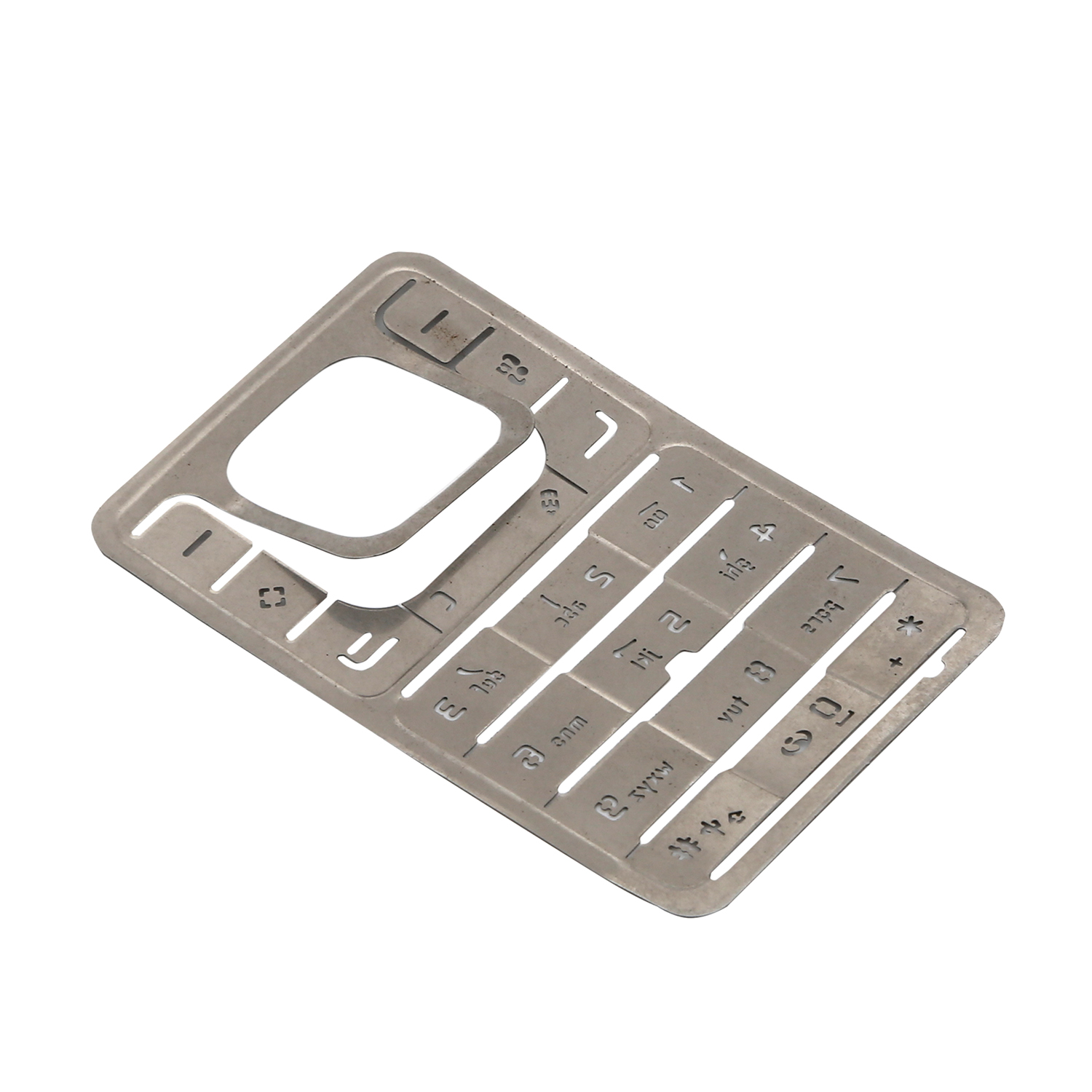
Understanding the technical workflow is essential for procurement managers aiming to optimize their supply chain. The procedure is highly systematic. Imagine a 10-ton coil of SECC steel being fed into a press operating at 800 strokes per minute. The sheer kinetic energy involved requires rigorous planning before any physical manufacturing begins.
The foundation of any successful project lies in the virtual environment. Engineers utilize advanced Computer-Aided Design and Computer-Aided Manufacturing software to create precise three-dimensional models of the desired part. During this stage, a critical Design for Manufacturability analysis occurs. Utilizing Finite Element Analysis, engineers simulate the forming process to predict exactly how the metal will flow. This allows them to account for springback, which is the natural tendency of metal to return to its original shape after bending. Proper simulation prevents catastrophic material failure like tearing or excessive thinning.
Once the virtual simulation is perfected, the physical blueprint must be built. Because these tools must withstand extreme pressure and millions of repetitive cycles, they are typically machined from hardened tool steel like SKD11 or tungsten carbide. The fabrication of this equipment involves highly precise Computer Numerical Control machining and Wire Electrical Discharge Machining. The microscopic accuracy achieved during this stage directly dictates the tolerance of every single component that will eventually roll off the assembly line.
With the tooling mounted and the metal coil fed into the machine, several distinct mechanical operations occur. These often happen simultaneously or in rapid succession across different stations.
Because manufacturing requirements vary wildly in terms of volume, size, and geometry, the industry has developed specialized methodologies. Selecting the correct method is a balancing act between upfront capital investment and long-term production efficiency.
This is the undisputed industry standard for high-volume, complex components. A continuous strip of metal is fed through a single die containing multiple consecutive stations. As the press cycles, the metal strip advances precisely from one station to the next. Each station performs a specific operation, progressively building the final shape. The part remains attached to the base strip until the final station severs it. Operating at hundreds of strokes per minute, this method is exceptionally fast and cost-effective for massive production runs.
In contrast to the continuous feed of the progressive method, transfer stamping is utilized for larger parts or components requiring deep features that would break a continuous metal strip. Here, the blank is entirely separated from the metal coil at the very first station. Mechanical transport systems, such as robotic arms or transfer rails, then physically move the individual part from one station to the next. This provides greater flexibility in part orientation and is ideal for complex geometries like automotive frames.
When a part requires a deep cavity, standard bending is insufficient. Deep draw stamping occurs when the depth of the formed part exceeds its diameter. Instead of simply folding the metal, a punch forces a flat blank into a deep die cavity. This stretches and draws the material into a seamless cup shape. In practical terms, this is the exact process used to manufacture items ranging from aluminum beverage cans to automotive oil pans, requiring specialized lubrication to prevent the metal from tearing under extreme tension.
For applications demanding extreme precision, absolute flatness, and perfectly smooth edges, fine blanking is the optimal choice. Standard blanking often leaves a rough, fractured edge known as die break. Fine blanking utilizes a specialized triple-action press that applies an impingement ring to clamp the material tightly before the punch shears it. This high-pressure extrusion process prevents the metal from fracturing, resulting in a mirror-like edge that frequently eliminates the need for secondary grinding or machining.
In the realm of metal forming, the press provides the brute force, but the tooling provides the intelligence. Before a single blank is cut, a custom stamping die must be meticulously engineered and machined. Its quality and durability are the primary determinants of a project's ultimate success.
A professional-grade tool is a complex assembly of precision-engineered components. It includes the die set, punches that enter the metal, die blocks that receive the punch, stripper plates that pull the metal off the punch as it retracts, and guide pins that ensure perfect microscopic alignment. The clearance between the male and female components must be calculated down to the micrometer. For instance, achieving a tight tolerance of plus or minus 0.01 millimeters requires perfectly calibrating the die to the specific thickness and tensile strength of raw materials like SUS304 stainless steel.
From an economic standpoint, the upfront cost of designing and machining this custom equipment can be a point of friction for procurement teams. However, this is a fixed, one-time cost. Because the presses operate at such high velocities with minimal manual labor, the variable cost per part drops exponentially. When an operator runs 50,000 units on a 400-ton press in a single shift, the initial tooling investment is rapidly amortized. This results in an unmatched return on investment compared to slower fabrication methods.
To protect this investment, professional facilities implement rigorous preventive maintenance programs. Tools are subjected to immense friction, heat, and shock. Through regular in-press sensor monitoring, specialized lubrication systems, and scheduled downtime to sharpen punches, a well-maintained die constructed from premium steel can reliably produce millions of identical parts before requiring a major overhaul.
Outsourcing production to a specialized precision stamping service offers significant empirical advantages over attempting to manage complex metal shaping in-house. These dedicated facilities provide the infrastructure, technology, and engineering expertise necessary to maximize efficiency.
The primary economic advantage is undeniable scalability. Once the tooling is approved and the press is calibrated, the process is highly automated. A single operator can oversee the production of thousands of parts per hour. This drastic reduction in labor costs, combined with high-speed output, makes it the most financially viable manufacturing method for high-volume blanket orders.
In industries where a fraction of a millimeter variance can lead to catastrophic mechanical failure, consistency is paramount. Dedicated service providers utilize rigid presses ranging from 45-ton to 800-ton capacities, high-grade tooling, and advanced sensor technology to ensure strict dimensional stability. Statistical Process Control is commonly employed to monitor production in real-time, guaranteeing that the one-millionth part stamped is geometrically identical to the very first prototype.
Modern facilities operate as highly automated environments. Motorized coil feeders automatically unroll and straighten the raw metal, feeding it into the press at exact intervals. The presses themselves can operate at speeds ranging from 50 to over 1,500 strokes per minute, depending on part complexity. This rapid throughput allows manufacturers to meet incredibly tight supply chain deadlines and respond nimbly to fluctuations in market demand.
Raw material often accounts for the largest ongoing cost in metal manufacturing. Expert engineers utilize advanced nesting software to optimize the layout of the parts on the metal strip. By arranging the blanks to interlock or sit as closely together as possible, manufacturers can significantly reduce the amount of scrap skeleton left behind. This not only lowers procurement costs but also aligns with corporate sustainability goals by minimizing industrial waste.
The inherent versatility, speed, and precision of this manufacturing method make it an indispensable process across a wide array of global industries.
Selecting a manufacturing partner is a critical strategic decision. The lowest initial quote does not always equate to the best long-term value. The right provider acts as an extension of your engineering team, rather than a mere transactional vendor. For manufacturers seeking reliable, high-quality production, exploring expert custom metal stamping solutions can ensure your complex dimensional needs are met with precision, efficiency, and strict adherence to industry standards.
A superior partner will offer comprehensive Design for Manufacturability support well before a single piece of metal is cut. They should review your part files to identify potential forming issues, suggest minor geometric tweaks to reduce tooling costs, and recommend the optimal material grades for your specific environmental application.
Prioritize manufacturers that design, machine, and maintain their dies entirely in-house. Companies that outsource their tooling often face longer lead times, communication breakdowns, and severe difficulties in quickly repairing or modifying dies during active production runs. In-house tool and die makers ensure immediate troubleshooting and total accountability.
Objective proof of quality management is non-negotiable. Ensure the provider holds relevant international certifications, such as ISO 9001 for general manufacturing or IATF 16949 for automotive applications. Furthermore, inspect their measurement capabilities. A modern facility should utilize Coordinate Measuring Machines and automated optical vision systems to verify microscopic tolerances.
A truly optimized supply chain minimizes the number of vendors involved. Evaluate whether the provider offers comprehensive secondary operations. A partner capable of handling post-forming processes like heat treating, powder coating, electroplating, or automated assembly reduces logistical friction. This lowers overall freight costs and delivers a fully finished, ready-to-use component.
Producing durable, high-tolerance parts at scale requires a manufacturing process that balances speed with uncompromising precision. Transforming flat sheets of metal into complex geometries through advanced tooling and high-speed presses drastically reduces per-unit costs for high-volume runs while minimizing material waste.
Ultimately, the success of any production run hinges on the quality of the die and the expertise of the personnel operating the presses. By thoroughly vetting potential partners for their engineering support, in-house tooling capabilities, and quality control standards, manufacturers can safeguard their supply chain, ensure structural integrity, and protect their bottom line. Taking the time to align with a dedicated, professional provider like Yeeshine Tech is the most effective step toward achieving flawless, scalable component fabrication. Their comprehensive engineering support and advanced press capabilities ensure your project transitions smoothly from prototype to mass production.
Fabrication is a broad manufacturing term that involves cutting, bending, welding, and assembling metal structures. It is generally better suited for low-volume, highly customized, or large-scale architectural jobs. Stamping, on the other hand, is a specific, high-volume manufacturing process that uses dedicated hard dies and heavy presses to rapidly form identical parts with minimal manual intervention.
While short-run stamping or prototyping is technically possible using soft tooling or laser cutting, the process is economically optimized for high volumes. Because of the significant upfront cost associated with engineering and machining a hard steel die, most manufacturers require minimum order quantities in the thousands or tens of thousands of parts to ensure the amortized cost per unit remains financially viable for the buyer.
Tooling lead times vary significantly based on the geometric complexity of the part and the specific type of die required. Generally, the entire process of engineering, machining, assembling, and trial-testing a custom die takes anywhere from 4 to 12 weeks. High-precision progressive dies with dozens of intricate forming stations will naturally fall on the longer end of that spectrum.
Yes. When engineered correctly with high-grade tool steel and run on well-maintained presses, the process can achieve extremely tight tolerances, often down to plus or minus 0.01 millimeters. Specialized processes like fine blanking are specifically designed to hold even stricter dimensional accuracy and produce perfectly sheared edges that require absolutely no secondary grinding or machining.
Carbon steel, stainless steel, aluminum, and copper alloys dominate the market. The specific choice depends entirely on the required tensile strength, electrical conductivity, and corrosion resistance of the final part. For example, aluminum is heavily favored in the electric vehicle sector for its lightweight properties, while beryllium copper is the standard for electronic connectors.
Facilities employ automated vision systems and in-die sensors to monitor part dimensions in real-time. If a sensor detects a micro-fracture, a feeding error, or a deviation beyond the accepted micrometer tolerance, the press automatically halts. This immediate feedback loop prevents the production of defective batches and protects the expensive tooling from severe damage.


