Email: admin@yeeshine-tech.com WhatsApp: +86-13712868936

- All
- Product Name
- Product Keyword
- Product Model
- Product Summary
- Product Description
- Multi Field Search

Views: 0 Author: Site Editor Publish Time: 2026-04-25 Origin: Site


Improving injection molding productivity is essential for manufacturers aiming to stay competitive in high-demand markets. By focusing on key areas such as setup time reduction and cycle time optimization, companies can significantly increase output without major capital investment. Efficient processes not only shorten production time but also improve consistency across batches.
In addition, quality control improvement plays a critical role in reducing defects and minimizing rework, which directly impacts production efficiency and overall throughput. The integration of automation in manufacturing further enhances stability by reducing manual errors and enabling continuous operation. When these strategies are combined, they create a strong foundation for effective manufacturing optimization, helping businesses lower costs while maximizing performance and scalability.
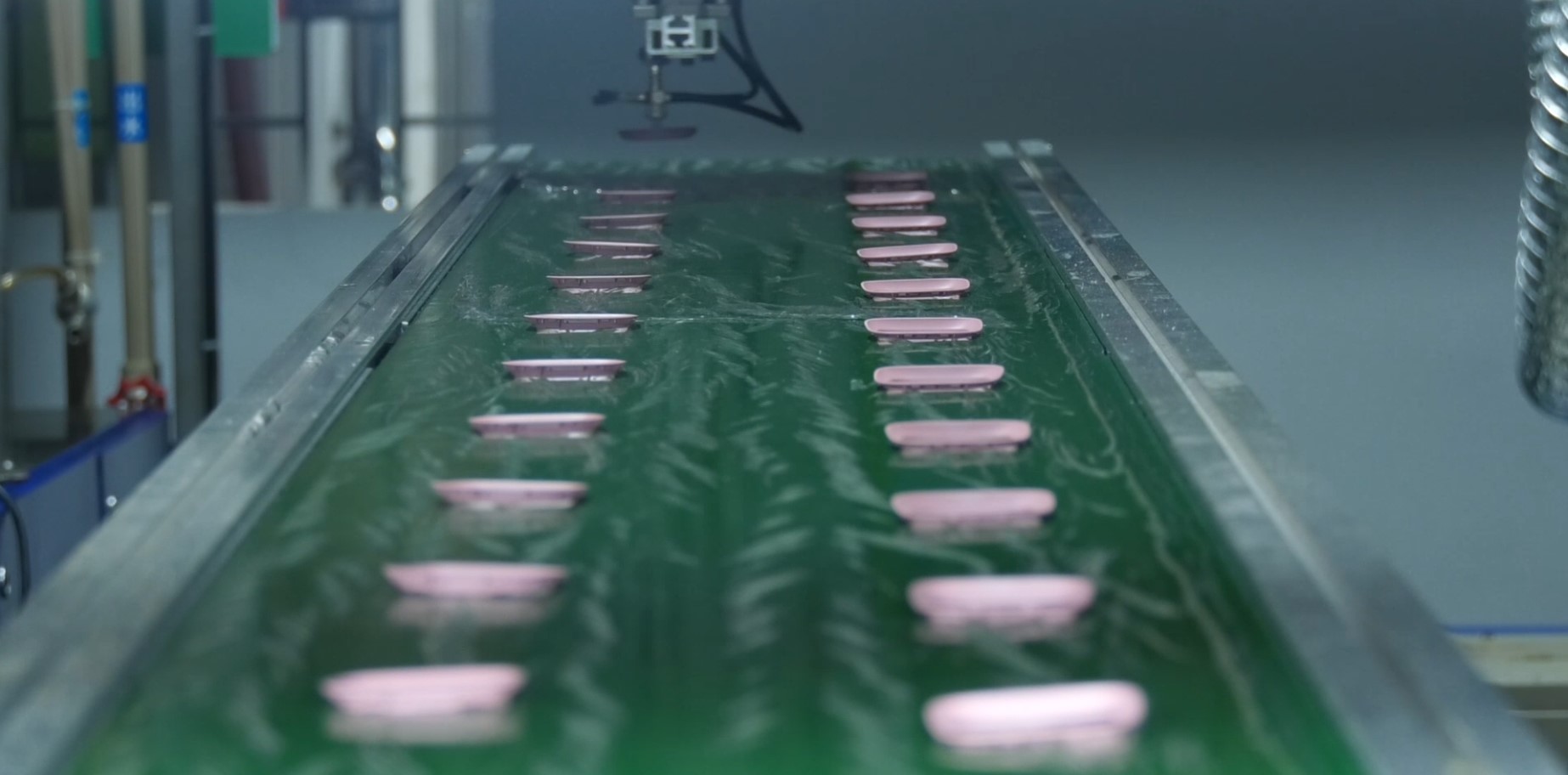
Injection molding productivity factors depend on how well the entire process is managed. Reducing setup and changeover time helps machines stay productive, while cycle time optimization ensures faster output without sacrificing quality. Improving material handling efficiency minimizes delays and waste during production. At the same time, strong quality control prevents defects and rework. Better equipment utilization and regular machine maintenance also support stable operations. Together with continuous process optimization, these elements drive higher manufacturing efficiency and more consistent production results.
Effective mold structure optimization is a key driver of injection molding efficiency, directly influencing both output and consistency. One of the most impactful strategies is the use of a multi-cavity mold, which allows multiple parts to be produced in a single cycle. This approach significantly supports production output improvement without increasing machine count. At the same time, optimizing internal cooling channels and part layout helps achieve faster and more uniform cooling, contributing to cycle time reduction.
Another critical area is gating system design, which controls how molten material flows into the cavity. A well-balanced system improves filling efficiency and reduces defects such as air traps or uneven filling. Implementing a hot runner system further enhances manufacturing productivity by eliminating runner waste and maintaining consistent melt flow. Together, these structural improvements create a more stable, efficient, and cost-effective molding process.

Smart material selection in injection molding plays a major role in improving production efficiency and reducing downtime. Choosing the right mold materials, such as high-grade tool steel, ensures strong wear resistance and reliable performance under repeated high-pressure cycles. Materials with good thermal conductivity can transfer heat more quickly, helping molds cool faster and directly contributing to cycle time reduction. This not only shortens each production cycle but also improves consistency across large production runs.
At the same time, selecting suitable plastics based on plastic material properties is equally important. Materials with faster cooling rates, such as polypropylene (PP), allow quicker solidification and shorter molding cycles. By aligning both mold and plastic choices with process requirements, manufacturers can significantly enhance output, reduce defects, and achieve more stable and efficient production.
Using advanced design tools early in the development stage can significantly improve injection molding productivity. Technologies like mold flow analysis and injection molding simulation allow engineers to visualize how molten plastic fills the mold, helping identify potential issues such as air traps, weld lines, or uneven cooling. By addressing these problems before production, defect prevention becomes more efficient and reduces costly trial-and-error processes.
Modern CAD software also supports precise 3D mold design, enabling better alignment between product structure and tooling requirements. With design optimization, manufacturers can refine wall thickness, gate location, and cooling channels to enhance part quality and shorten cycle times. This leads to improved manufacturing efficiency and fewer design revisions.
Overall, integrating these digital tools streamlines decision-making, minimizes rework, and ensures a smoother transition from concept to mass production.
A key factor in injection mold design is understanding the product application from the start. Different uses demand different precision requirements, surface finish levels, and structural features. For example, parts used in electronics or medical devices often require tight tolerances and smooth surfaces, while industrial components may prioritize strength over appearance.
Functional design optimization helps align the mold structure with real-world performance. Features like mesh structure or thin walls must be carefully planned to ensure proper material flow and durability. At the same time, venting design plays an important role in preventing air traps and burn marks, especially for detailed or high-precision parts.
Surface expectations also influence mold polishing levels, which directly affect the final look and feel of the product. By designing with the end use in mind, manufacturers can reduce unnecessary adjustments, improve consistency, and achieve better overall production efficiency.

Reducing setup and changeover time is essential for improving injection molding productivity factors. Standardizing mold interfaces and using quick-change systems can significantly shorten downtime between jobs. Clear work instructions and pre-set parameters also help operators switch molds faster and more accurately.
Improving material handling efficiency ensures that the right resin is ready when needed, avoiding delays during transitions. At the same time, proper machine maintenance keeps equipment in stable condition, reducing unexpected adjustments during setup.
Cycle time optimization should be considered alongside changeovers, as stable processes reduce the need for frequent corrections. Strong quality control further minimizes trial runs after setup. By combining process optimization with better equipment utilization, manufacturers can achieve higher manufacturing efficiency and more consistent production performance.

Improving production efficiency with injection molds requires a balanced approach across design and process. From optimizing mold structures to reducing setup and changeover time, every step plays a role in achieving stable and cost-effective production. Focusing on cycle time reduction, consistent quality control, and reliable machine maintenance helps prevent disruptions and ensures smoother workflows.
At the same time, enhancing material handling and maximizing equipment utilization can further increase output without sacrificing quality. Continuous process optimization, supported by data and practical experience, allows manufacturers to identify weak points and implement targeted improvements.
By aligning design decisions with real production needs and maintaining a well-controlled process, companies can achieve higher efficiency, lower waste, and more predictable manufacturing results in injection molding.


