Email: admin@yeeshine-tech.com WhatsApp: +86-13712868936

- All
- Product Name
- Product Keyword
- Product Model
- Product Summary
- Product Description
- Multi Field Search
 |


| Quantity: | |
|---|---|
Product Description
Our Custom Overmolding Solutions provide a comprehensive, end-to-end approach designed to transform complex product concepts into high-performing realities. For demanding applications such as custom medical device rubber injection molding, standard manufacturing often falls short of meeting rigorous ergonomic, functional, and aesthetic requirements. By seamlessly combining multiple materials, colors, and textures into a single unified component, our tailored solutions help you overcome intricate design challenges. We act as a dedicated solutions provider, supporting your engineering and procurement teams from initial concept through to final production. This collaborative approach ensures that every project is aligned with your specific operational goals, reducing development risks and streamlining the path to market.
To guarantee consistent results and precise execution, we follow a structured overmolding process:
Work closely with our experienced engineering and design team to develop a customized overmolding solution that precisely meets your functional objectives. We recognize that successful overmolding begins long before production. Through comprehensive Design for Manufacturability (DFM) analysis, we provide expert guidance on part geometry, material compatibility, and structural optimization. By identifying potential manufacturing challenges early in the development phase, we help you refine your designs for optimal mold flow, minimizing defects and ensuring that the final medical device or industrial component performs reliably in its intended environment.
Choosing the right combination of substrate and overmold resins is critical for achieving a robust chemical or mechanical bond. We assist you in selecting from a wide, specialized range of materials, including rigid thermoplastics, flexible elastomers, and medical-grade silicone. Our team evaluates your specific application requirements—such as necessary durability, tactile flexibility, biocompatibility, and resistance to harsh chemicals or sterilization processes—to recommend the ideal material pairings. This meticulous selection process ensures that the overmolded components maintain their structural integrity and performance characteristics under demanding real-world conditions.
Our advanced overmolding process allows for the precise integration of disparate materials, enabling the creation of complex components with varying zones of hardness, custom textures, and distinct color coding. This multi-material capability eliminates the need for secondary assembly operations, reducing potential failure points while opening up endless possibilities for product differentiation. Whether your project requires a soft-touch grip over a rigid structural core for surgical instruments or specialized dampening features for electronic housings, our integration process ensures seamless material transitions and exceptional dimensional accuracy.
To complete your custom components, we offer a variety of specialized finishing options tailored to enhance both functionality and visual appeal. Our post-molding services include precise surface texturing to improve grip and ergonomics, custom printing for clear user instructions, and high-contrast laser etching for permanent branding or critical traceability codes required in the medical device industry. These final touches ensure that your overmolded parts not only meet strict technical specifications but also present a polished, professional appearance that reflects the quality of your brand.
With our end-to-end Custom Overmolding Solutions, you can significantly elevate the performance, durability, and user experience of your products. Trust our dedicated team to deliver high-quality, customized overmolded components that align with your unique project specifications, mitigate procurement risks, and directly contribute to the long-term success of your product lines.
Selecting a reliable manufacturing partner for custom medical device rubber injection molding and overmolding is a critical decision that directly impacts your product's compliance, performance, and market success. The right manufacturer must align with your strict project requirements, offering a balance of technical capability, scalable production, and supply chain stability. Here are the core reasons why procurement professionals and project engineers trust us with their complex overmolding projects.
Our company specializes in complex overmolding processes, particularly for the demanding medical device sector. Our seasoned engineering team comprehends the intricate dynamics of material bonding, precision tooling design, and advanced production methodologies. By leveraging years of hands-on experience, we can anticipate potential manufacturing challenges during the design phase, providing valuable design for manufacturability (DFM) feedback. This proactive approach ensures the smooth and reliable execution of your project, resulting in reliable overmolded components that meet stringent industry standards while minimizing developmental delays.
To guarantee the highest level of precision and efficiency in the overmolding process, we continuously invest in advanced and modern manufacturing technologies along with specialized equipment. Our facilities feature multi-shot injection molding machines and automated systems designed to maintain tight tolerances and consistent shot sizes. Furthermore, our production environment is optimized for medical device manufacturing, utilizing controlled environments to prevent contamination. This technological infrastructure allows us to handle complex geometries and demanding production volumes with exceptional batch-to-batch consistency.
We provide an extensive selection of engineering-grade and medical-grade materials suitable for custom overmolding, enabling precise customization according to your specific product specifications. Our material library includes a wide range of biocompatible elastomers, such as liquid silicone rubber (LSR), thermoplastic elastomers (TPE), and thermoplastic urethanes (TPU), which can be expertly bonded to rigid plastic or metal substrates. We assist procurement teams in selecting materials that comply with FDA and ISO 10993 requirements, ensuring optimal performance under sterilization conditions, chemical exposure, and rigorous clinical use.
We give paramount importance to quality at every single stage of the manufacturing process, recognizing that medical components require zero-defect reliability. Comprehensive quality control measures are rigorously enforced, from incoming raw material inspection to final product validation. Our quality management system incorporates First Article Inspection (FAI), In-Process Quality Control (IPQC), and Outgoing Quality Control (OQC) to guarantee that all overmolded products consistently meet the exact dimensional and functional requirements of our customers. Full traceability and detailed documentation are maintained to support your regulatory compliance needs.
While upholding the strict quality standards necessary for medical applications, we endeavor to offer highly cost-effective solutions tailored to your budget constraints. Our competitive pricing structure is achieved through optimized production processes, intelligent mold design that minimizes material waste, and efficient cycle times. By streamlining operations and leveraging our strong supply chain network for raw materials, we ensure that our custom overmolding services remain competitively priced. This focus on operational efficiency provides significant long-term value for your procurement strategy without compromising on product integrity.
We are deeply committed to delivering products on time, strictly meeting your project timelines and critical deadlines. Understanding that supply chain disruptions can be costly, we employ comprehensive project management systems and flexible production scheduling to ensure reliable output. Whether you require rapid prototyping for clinical trials or high-volume production runs for market launch, our agile manufacturing capabilities allow us to adapt to your changing needs. Our dedicated logistics team works diligently to ensure that your custom medical device overmolded parts arrive exactly when and where you need them, reducing your inventory risks and accelerating your time-to-market.
Overmolding (also known as two-shot molding or multi-material molding) offers several critical advantages in the manufacturing of custom medical devices. By chemically or mechanically bonding a soft rubber or elastomer to a rigid plastic substrate, this advanced injection molding process significantly contributes to the improved performance, functionality, and aesthetics of the final products. For medical equipment developers and designers, overmolding is a strategic choice to meet stringent industry standards while enhancing the overall user experience.
Overmolding offers endless possibilities for enhancing the visual appeal of medical devices and diagnostic equipment. Different colors, textures, and matte or glossy finishes can be seamlessly incorporated into the overmolded layer. In the medical field, this goes beyond mere appearance; color-coding can be used to distinguish between different surgical instruments, sizes, or specific functions, thereby reducing the risk of operational errors. This creates a visually striking, highly professional, and unique appearance that sets your products apart from the competition while serving a functional purpose in clinical environments.
Medical devices are frequently subjected to rigorous use, accidental drops, and harsh cleaning protocols. Overmolding provides an essential additional layer of protection to the base rigid material, significantly increasing its resistance to mechanical impact, moisture, chemicals, and other environmental factors. The rubber or silicone outer layer acts as a built-in shock absorber, protecting sensitive internal electronic components. Furthermore, it offers excellent chemical resistance, ensuring the device can withstand repeated exposure to hospital-grade disinfectants and sterilization processes without degrading. This improves the overall durability and lifespan of the product, ensuring high reliability and reducing the need for frequent replacements.
In surgical and clinical settings, the tactile feel of an instrument is crucial. Overmolding allows for the creation of ergonomic designs that provide a comfortable, secure, and user-friendly experience for healthcare professionals. Soft-touch grips, customized contours, and tactile features can be directly integrated into the overmolded layer. This non-slip surface ensures a firm grip even when operators are wearing surgical gloves or working in wet conditions, effectively reducing hand fatigue during lengthy procedures and improving the product's usability and user satisfaction.
Overmolding offers unparalleled design flexibility for complex medical assemblies. It enables the creation of intricate geometric shapes, detailed features, and seamless transitions between different materials. One of the most significant benefits for medical devices is the elimination of physical gaps or joints between assembled parts. A seamless overmolded transition prevents the accumulation of dirt, fluids, and bacteria, making the device much easier to clean and sterilize. This flexibility allows for innovative and unique designs that can differentiate your products in the market while strictly adhering to medical hygiene requirements.
From a manufacturing perspective, overmolding can be a highly cost-effective solution compared to traditional multi-step assembly methods. By combining multiple manufacturing steps into a single injection molding process, overmolding eliminates the need for secondary operations such as manual assembly, gluing, or the use of mechanical fasteners like screws and snap fits. This streamlined approach not only reduces assembly time and direct labor costs but also lowers the overall bill of materials (BOM) by reducing the need for additional components. The result is a more robust product with a lower total cost of production.
Overmolding provides excellent opportunities for permanent branding and product customization. Logos, brand names, safety warnings, or other essential identification elements can be directly incorporated into the overmolded layer using contrasting colors or embossed/debossed textures. Unlike printed labels or painted logos that may peel off, fade, or wear away after repeated chemical sterilization, overmolded branding remains intact throughout the entire lifecycle of the medical device. This enhances brand recognition, ensures regulatory compliance for permanent marking, and creates a cohesive, premium product identity.
Our comprehensive injection molding capabilities are specifically engineered to support the rigorous demands of custom medical device manufacturing. We focus on delivering rapid production cycles, consistent dimensional accuracy, and high-quality molded components that align precisely with your project specifications. By utilizing advanced manufacturing facilities and precision machinery, we ensure that every production run maintains the reliability and tight tolerances required for critical medical applications.
Understanding that successful procurement involves more than just production, we provide complimentary, in-depth expert guidance for every injection molding order. Our engineering team collaborates closely with your technical departments to navigate critical decisions, including mold design optimization, medical-grade material selection, and surface finish requirements. We also offer tailored shipping solutions to meet your logistical needs. This proactive approach helps mitigate selection risks, reduces time-to-market, and ensures that your custom rubber and plastic components are produced efficiently, maintaining a strong balance between performance and cost-effectiveness.
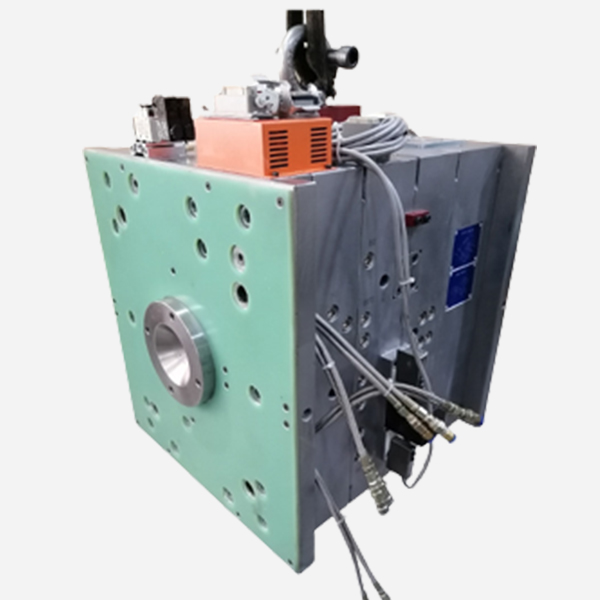
Our advanced overmolding process creates a strong chemical and mechanical bond between multiple layers, such as rigid plastics, metals, and medical-grade rubber. This technique is highly valuable for medical devices, as it significantly minimizes assembly duration while enhancing the overall structural integrity and flexibility of the parts. By integrating a soft-touch rubber grip over a rigid substrate, overmolding improves ergonomics, provides secure sealing properties, and ensures long-lasting durability in demanding clinical environments.
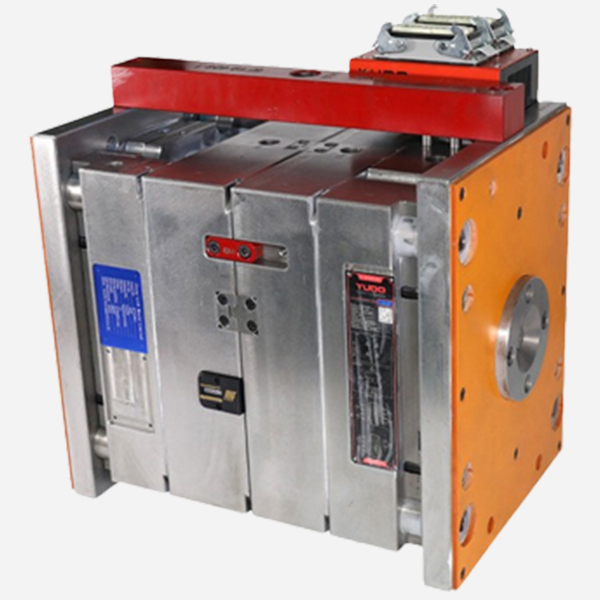
Leveraging extensive industry expertise and high-precision machinery, we specialize in crafting custom plastic injection molded components tailored to your exact specifications. This core capability is essential for producing complex medical device housings and structural parts where tight tolerances are non-negotiable. We focus on optimizing the mold design and production parameters to balance superior part performance with cost efficiency, ensuring you receive reliable, scalable manufacturing solutions that meet rigorous quality standards.
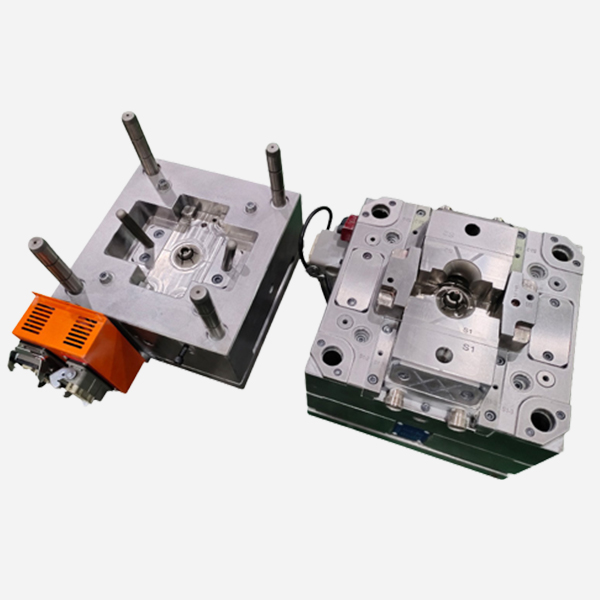
Insert molding involves injecting thermoplastic or elastomeric materials around pre-existing components, such as threaded metal inserts, pins, or electronic connectors, to produce a single, fully integrated final part. This process is highly effective for medical device manufacturing, as it eliminates the need for secondary assembly operations, thereby reducing labor costs and potential points of failure. The result is a highly durable component with enhanced mechanical strength and precise alignment, suitable for critical medical applications.


