Email: admin@yeeshine-tech.com WhatsApp: +86-13712868936

- All
- Product Name
- Product Keyword
- Product Model
- Product Summary
- Product Description
- Multi Field Search

Views: 0 Author: Site Editor Publish Time: 2025-10-24 Origin: Site


Thermoplastic Polyurethane (TPU) has emerged as a pivotal material in the design and manufacturing of wearables and consumer electronics. Renowned for its unique combination of flexibility, durability, and biocompatibility, TPU offers manufacturers the ability to create components that not only withstand the rigors of daily use but also provide comfort and aesthetic appeal. This article delves into the intricacies of TPU injection mold design, exploring its advantages, applications, and the challenges faced during the molding process, ultimately highlighting its essential role in modern consumer technology.
TPU is a unique material that blends rubber-like flexibility and plastic-like moldability. It stretches easily and snaps back to its original shape, making it perfect for parts that need to flex without breaking. TPU is tough and resists abrasion, meaning it can handle rough use without wearing out quickly. It also stands up well against oils, greases, and many chemicals, which is essential for electronics and wearables exposed to everyday substances.
TPU stays flexible even in cold temperatures and resists damage from UV light and weather. This makes it reliable for outdoor use or in devices exposed to sunlight. It repels water, so it won’t absorb moisture and lose strength. Some TPU grades are biocompatible, meaning they're safe for skin contact over long periods—ideal for wearables like smartwatches.
TPU, TPR (Thermoplastic Rubber), and TPE (Thermoplastic Elastomer) are all flexible materials, but they differ in key ways:
Property | TPU | TPR | TPE |
Hardness Range | 60 Shore A – 70 Shore D | 20 Shore A – 90 Shore A | 0 Shore A – 100 Shore A |
Abrasion Resistance | High | Moderate | Low to Moderate |
Chemical Resistance | Excellent | Moderate | Moderate |
Recyclability | High | Moderate | Moderate |
TPU stands out with higher hardness options and much better abrasion and chemical resistance. It also is easier to recycle compared to TPR and TPE, making it a more sustainable choice for manufacturers.
TPU injection molding offers several benefits:
● Elasticity: It stretches a lot and bounces back, great for parts like seals or flexible straps.
● Durability: It resists wear, tear, and harsh conditions, ensuring long-lasting products.
● Chemical and Weather Resistance: It handles oils, solvents, UV rays, and water exposure without degrading.
● Temperature Flexibility: Performs well in both hot and cold environments.
● Electrical Insulation: Ideal for cable jackets and electronic components.
● Biocompatibility: Safe for skin contact, essential for wearable devices.
● Design Flexibility: Can be molded into complex shapes and combined with other materials via overmolding or insert molding.
● Sustainability: TPU can be recycled, and regrind material can be reused without losing much performance.
● Color Retention: Maintains vibrant or transparent finishes, enhancing product aesthetics.
These advantages make TPU a go-to material for manufacturers aiming to produce flexible, durable, and user-friendly parts for wearables and consumer electronics.
When selecting TPU for injection molding, consider its superior abrasion and chemical resistance over TPR and TPE to enhance product durability and lifecycle in consumer electronics applications.
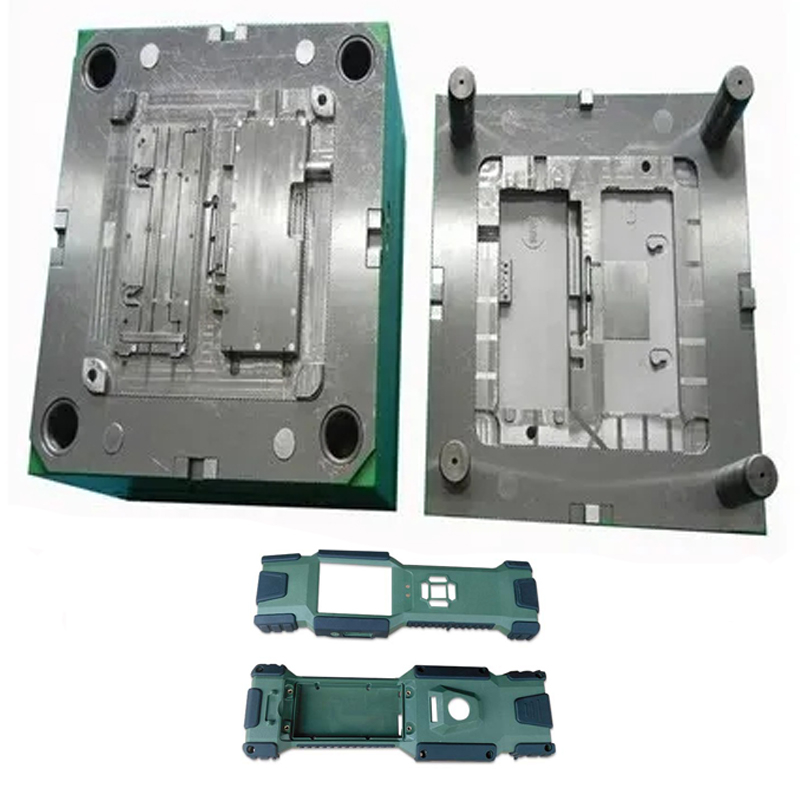
Thermoplastic Polyurethane (TPU) plays a crucial role in consumer electronics, offering a blend of flexibility, durability, and aesthetic appeal. Its unique properties make it a top choice for various components that enhance device protection, usability, and design.
One of the most common uses of TPU in consumer electronics is for protective cases and covers. TPU cases provide excellent shock absorption, guarding devices against drops, bumps, and scratches. The material's elasticity allows it to flex on impact and return to its original shape, preventing cracks or breaks. TPU cases often feature a soft-touch surface, improving grip and reducing the chance of accidental drops. They also resist oils and chemicals from everyday handling, keeping devices looking clean and new.
For example, many smartphone and tablet cases use TPU because it combines toughness and comfort. TPU's ability to maintain color vibrancy and resist UV damage ensures cases stay attractive over time, even with outdoor use.
TPU is widely used for cable jacketing and flexible connectors in consumer electronics. Its flexibility prevents cables from kinking or breaking, extending their lifespan. TPU's abrasion resistance protects cables from wear caused by constant bending and rubbing. Additionally, TPU's excellent electrical insulation properties make it safe for use in power cords, USB cables, and headphone wires.
Manufacturers prefer TPU for cable jackets because it can be molded in various colors, helping users easily identify cables. Its resistance to oils and chemicals also ensures cables remain durable despite exposure to sweat or environmental contaminants.
Soft-touch overmolding with TPU enhances the ergonomics and feel of electronic devices. Overmolding involves molding TPU over a rigid plastic substrate, creating a comfortable, grippy surface. This technique is common in buttons, grips, and housings of devices like remote controls, game controllers, and power tools.
TPU overmolds improve user experience by providing tactile feedback and reducing hand fatigue during extended use. They also add a premium look and feel, making products more appealing. The material's ability to bond well with other plastics ensures durability of the overmolded parts, preventing peeling or separation.
When designing consumer electronics, consider TPU for protective cases and cable jacketing to combine durability and flexibility, enhancing both device protection and user comfort.
TPU is a top choice for wearable tech because it's safe for skin contact. Many TPU grades meet biocompatibility standards, meaning they don’t irritate or harm skin even after long wear. This is crucial for devices like smartwatches and fitness trackers that touch skin all day. TPU’s softness and flexibility add to comfort, molding gently around wrists without causing pressure points or chafing. Its moisture resistance helps prevent sweat buildup, reducing discomfort. For example, Xiaomi uses a special TPU grade called Desmopan® for their smartwatch straps, offering softness and skin safety while standing up to daily wear.
Wearables face tough conditions: sweat, UV rays, water, temperature swings. TPU handles these challenges well. It resists cracking, tearing, and fading even after exposure to sun or moisture. TPU's chemical resistance protects it from lotions, disinfectants, and sweat acids, common in daily use. Its durability means wearable straps and parts last longer, reducing replacements and waste. TPU also stays flexible in cold weather, so bands won't become brittle or uncomfortable. This reliability is why many outdoor and sports wearables rely on TPU materials.
TPU's versatility lets designers create wearables that look and feel great. It can be molded into complex shapes, allowing ergonomic designs that fit various wrist sizes comfortably. TPU's surface finish ranges from matte to glossy, and it holds colors well, so bands can be vibrant or subtle. Designers can add textures for grip or style without sacrificing comfort. TPU also bonds well in overmolding processes, combining soft-touch areas with rigid parts seamlessly. This flexibility supports sleek, stylish wearables that users want to wear daily.
When designing wearable devices, choose biocompatible TPU grades that balance softness, durability, and weather resistance to maximize user comfort and product lifespan.
Before molding, TPU must be carefully prepared. TPU pellets absorb moisture from the air, which can cause bubbles or surface defects during molding. To avoid this, pellets are dried at temperatures around 80–110°C for 2 to 4 hours until moisture content falls below 0.02%. This step ensures smooth melting and consistent flow.
Once dry, pellets feed into the injection molding machine's hopper. The machine uses a reciprocating screw to melt TPU at temperatures between 180–220°C. This range lets TPU flow well without breaking down. Precise temperature control here is crucial; too hot, and TPU degrades, too cool, and it won’t fill the mold properly.
Molten TPU is injected into the mold cavity under pressures from 200 to 600 psi. The mold design guides the flow to fill every corner evenly, avoiding air traps or incomplete fills. Injection speed must be balanced — too fast can cause shear stress and degrade material; too slow may lead to defects.
After filling, the mold cools to solidify the TPU part. Mold temperatures typically stay between 15–50°C. Cooling time varies based on part thickness and TPU grade but must be long enough to prevent warping or shrinkage. Uniform cooling also helps maintain tight dimensional tolerances.
Once cooled, the mold opens, and the part ejects. Draft angles in the mold assist smooth ejection, reducing sticking risks common with TPU's tacky surface.
TPU injection molding often uses advanced techniques like insert molding and overmolding to add functionality.
Insert Molding embeds metal or plastic parts inside the TPU during molding. Inserts are preheated to around 200–230°C to improve bonding. This technique creates strong, integrated assemblies, such as tool grips with metal cores or connectors with embedded contacts.
Overmolding molds TPU over rigid substrates like ABS or polycarbonate. High injection speeds and clean substrate surfaces ensure good adhesion, preventing delamination. Overmolding adds soft-touch grips or seals to hard plastic parts, enhancing comfort and durability.
Both techniques expand TPU's design possibilities, enabling multi-material parts that combine flexibility and strength seamlessly.
Always dry TPU pellets thoroughly before molding to prevent bubbles and surface defects, ensuring high-quality, defect-free parts.
Designing molds for TPU requires attention to draft angles due to TPU's sticky surface. A draft angle between 3° and 5° helps parts release smoothly from the mold. For textured surfaces, add about 1.5° draft per 0.025 mm of texture depth to avoid damage during ejection. Proper draft angles reduce the risk of tearing or deformation.
Venting is crucial to prevent trapped air, which can cause voids or burn marks. Mold vents should be shallow, around 0.001 to 0.002 inches deep, allowing air to escape without leaking molten TPU. Place vents near complex or deep features where air pockets are most likely to form. Good venting ensures complete filling and high-quality surface finish.
Gate design influences material flow and part quality. Large gates, about 1 to 2 mm in diameter, positioned at the thickest section of the part, help avoid pressure loss and ensure uniform filling. For flat parts, edge or fan gates work well, while pinpoint gates suit small or delicate components, minimizing visible gate marks.
Align gates with the mold's draw direction to reduce shear stress and prevent defects. The gate location also impacts cycle time and ease of trimming after molding.
Surface finish affects both aesthetics and demolding ease. Polished mold surfaces reduce sticking but avoid over-polishing, which can increase adhesion. Textured surfaces help parts release naturally and eliminate the need for release agents. Aim for a surface roughness between 25 to 35 microns to balance appearance and demolding performance.
TPU is sensitive to temperature changes during molding. Maintain mold temperatures between 15°C and 50°C for consistent cooling and to avoid warping or shrinkage. Uniform temperature control prevents uneven crystallization, especially in harder TPU grades.
Use mold materials resistant to wear and corrosion, such as chromium-plated steel or copper-aluminum alloy liners. These materials withstand TPU's abrasive nature and extend mold life. Tight mold tolerances are essential for overmolding and insert molding to prevent flash and ensure proper bonding.
Conformal cooling channels can improve temperature regulation, reducing cycle times and enhancing part quality.
Incorporate generous draft angles and precise venting in TPU mold designs to minimize sticking and air entrapment, ensuring smooth ejection and defect-free parts.
TPU's tacky surface often causes parts to stick inside molds, complicating ejection. To reduce sticking, designers add draft angles between 3° and 5°, easing part release. For textured surfaces, increasing draft by about 1.5° per 0.025 mm texture depth helps prevent damage during ejection. Mold surfaces polished to a satin finish balance smooth release and minimal adhesion. Using mold release agents can also help, but they may affect surface finish consistency.
Shrinkage in TPU parts ranges from 0.5% to 3%, varying by grade and part thickness. Uneven cooling causes warping or dimensional inaccuracies. To counter this, molds must ensure uniform cooling, often using conformal cooling channels. Designing parts with uniform wall thickness and gradual transitions reduces internal stresses leading to shrinkage. Post-molding annealing can relieve residual stresses and stabilize dimensions.
Moisture absorbed by TPU pellets is the primary cause of bubbles and surface blemishes. Drying pellets thoroughly before molding—usually 2 to 4 hours at 80–110°C—is essential. Maintaining moisture levels below 0.02% prevents vapor formation during injection.
Optimizing injection speed and melt temperature also reduces defects. Too fast injection causes shear heating, degrading TPU and trapping air; too slow can cause incomplete filling. Melt temperatures between 180°C and 220°C balance flow and material stability. Proper venting in the mold, with vents about 0.001 to 0.002 inches deep, allows trapped air to escape, preventing voids and burn marks.
Fine-tuning injection molding parameters ensures quality parts and efficient cycles. Key parameters include:
● Melt Temperature: 180–220°C to ensure TPU flows well without degradation.
● Mold Temperature: 15–50°C for consistent cooling and dimensional control.
● Injection Pressure: 200–600 psi to fill molds evenly without excess stress.
● Screw Speed: 20–80 rpm, ideally 20–40 rpm, to minimize shear and thermal degradation.
Balancing these parameters depends on TPU grade, part geometry, and mold design. Trial runs and process monitoring help identify the sweet spot for each production run. Using process control software can maintain consistent conditions, reducing scrap rates.
Always dry TPU pellets thoroughly and optimize injection speed and mold venting to prevent bubbles and surface defects, ensuring smooth, high-quality parts every cycle.
Thermoplastic Polyurethane (TPU) is increasingly vital in wearables and consumer electronics due to its flexibility and durability. Innovations in mold design enhance TPU's application, allowing for complex shapes and improved product longevity. TPU's sustainability and recyclability make it an attractive choice for eco-conscious manufacturers. Companies like YEESHINE TECHNOLOGY CO. leverage TPU's unique benefits to deliver high-quality, durable products that meet consumer demands for comfort and performance.
A: TPU Injection Mold is a manufacturing process used to create parts from Thermoplastic Polyurethane (TPU). It involves injecting molten TPU into a mold to form flexible and durable components for wearables and consumer electronics.
A: TPU Injection Mold benefits wearables by providing biocompatibility, comfort, and weather resistance, ensuring that products are safe for skin contact, durable in various conditions, and comfortable for long-term wear.
A: TPU offers superior abrasion and chemical resistance, higher hardness options, and better recyclability compared to TPR and TPE, making it a more sustainable and durable choice for manufacturers.
A: Common issues include sticking and shrinkage. Solutions involve using proper draft angles, uniform cooling, and thorough drying of TPU pellets to prevent bubbles and surface defects.


