Email: admin@yeeshine-tech.com WhatsApp: +86-13712868936

- All
- Product Name
- Product Keyword
- Product Model
- Product Summary
- Product Description
- Multi Field Search

Views: 0 Author: Site Editor Publish Time: 2025-10-23 Origin: Site


In the world of nylon injection molding, managing moisture and shrinkage is crucial for ensuring the quality and performance of molded parts. Nylon, known for its strength and versatility, is hygroscopic, meaning it readily absorbs moisture from the environment. This characteristic can lead to significant challenges during the molding process, including dimensional instability and defects in the final product. Understanding the properties of nylon, along with effective drying techniques and optimized processing parameters, is essential for manufacturers aiming to mitigate these issues. This article explores strategies to avoid moisture and shrinkage problems in nylon injection molding, ensuring consistent quality and reliability in the final parts
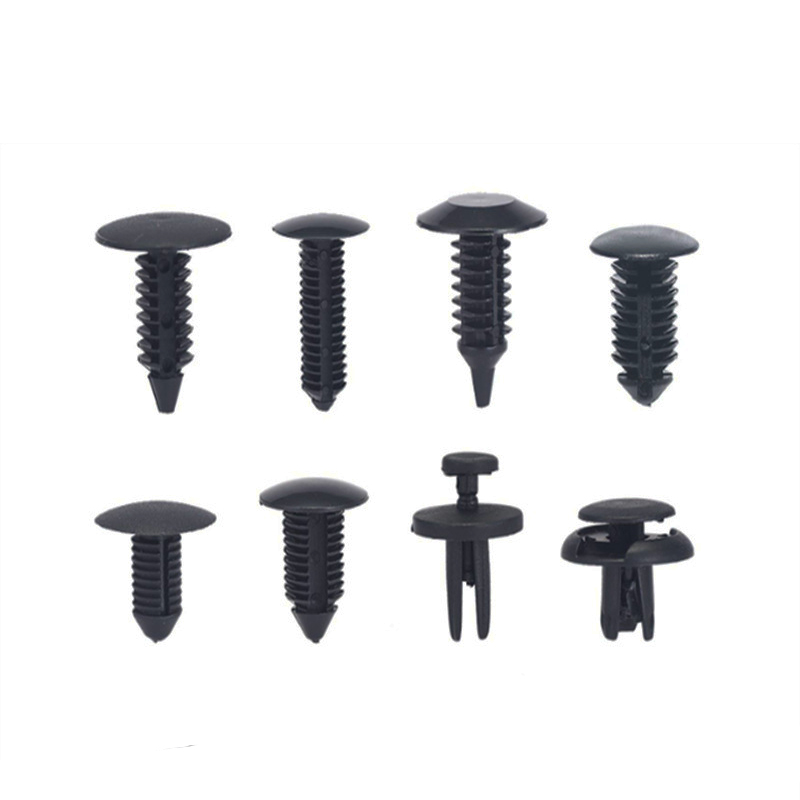

Nylon is a versatile thermoplastic known for its strength, durability, and resistance to wear and heat. It has a low friction coefficient, making it ideal for parts that require smooth movement. Nylon also resists many chemicals and has good flame retardant properties. Its mechanical strength allows it to handle stress and impact well, which is why it's widely used in engineering applications.
One key property of nylon is its hygroscopic nature—it absorbs moisture from the air. This moisture absorption can affect its mechanical properties and dimensional stability. Nylon becomes more flexible and less brittle when it contains moisture, but too much moisture can lead to processing problems like splay marks or bubbles during injection molding.
Nylon's ability to be reinforced with glass fibers or other fillers enhances its strength and reduces shrinkage. This makes it even more suitable for demanding applications where dimensional accuracy is critical.
There are several types of nylon used in injection molding, but the most common are Nylon 6 (PA6) and Nylon 66 (PA66). Both are polyamides but differ in molecular structure, which affects their properties and processing behavior.
● Nylon 6 (PA6): Known for its excellent toughness, flexibility, and ease of processing. It has a higher moisture absorption rate compared to PA66, which can lead to more dimensional changes after molding. Its typical shrinkage rate ranges from 1% to 3%, depending on processing conditions.
● Nylon 66 (PA66): Offers higher heat resistance and better mechanical strength than PA6. It absorbs less moisture, which helps maintain dimensional stability. PA66 typically shrinks less, around 0.5% to 1.5%. However, it is more challenging to process due to a higher melting point.
Both types benefit from additives like glass fibers to improve stiffness and reduce shrinkage. Choosing the right type depends on the application requirements, environmental exposure, and desired mechanical performance.
Property | Nylon 6 (PA6) | Nylon 66 (PA66) |
Melting Point | ~220°C | ~260°C |
Moisture Absorption | Higher (~2.5%) | Lower (~1.5%) |
Shrinkage Rate | 1% - 3% | 0.5% - 1.5% |
Heat Resistance | Moderate | Higher |
Mechanical Strength | Good | Superior |
Understanding these properties helps manufacturers select the right nylon grade and tailor processing parameters to minimize moisture and shrinkage issues.
Always pre-dry nylon material according to its type before molding to reduce moisture-related defects and improve dimensional stability.
Nylon is hygroscopic, meaning it naturally absorbs moisture from the air. This happens because its molecular structure contains polar amide groups that attract water molecules. When nylon is exposed to humid environments, it can absorb up to 2.5% of its weight in moisture, depending on the type (Nylon 6 absorbs more than Nylon 66).
This moisture absorption can occur during storage, handling, or even during the injection molding process if the material is not properly dried beforehand. The absorbed moisture resides mainly in the amorphous regions of the polymer, causing swelling and changes in the material's physical state.
Because nylon attracts moisture so readily, it must be carefully dried before processing. If not, the water inside the resin will vaporize during molding, leading to steam bubbles, splay marks, and inconsistent flow. This compromises surface finish and structural integrity.
Moisture presence significantly affects nylon's mechanical properties. When nylon absorbs water, it acts as a plasticizer, increasing chain mobility. This makes the material more flexible and less brittle but reduces tensile strength, stiffness, and heat resistance.
Too much moisture can cause hydrolytic degradation during the high temperatures of injection molding. This breaks down polymer chains, leading to lower molecular weight and poorer mechanical performance in the final part.
Additionally, moisture causes dimensional instability. Parts may swell or warp after molding as they absorb or lose moisture from the environment. This can lead to poor fit, assembly issues, or failure in precision applications.
Manufacturers must control moisture content tightly, aiming for levels below 0.2% before molding. Proper drying and storage in low-humidity conditions help maintain nylon's mechanical performance and dimensional accuracy.
Always use a dehumidifying dryer and verify moisture content with a moisture analyzer before molding nylon to prevent defects and ensure consistent part quality.
Proper drying is essential to prevent moisture-related defects in nylon injection molding. Since nylon absorbs moisture from the air, drying removes this water before processing. If moisture remains, it vaporizes during molding, causing bubbles, splay marks, and poor surface finish.
The most effective drying method is using a dehumidifying dryer. Set the drying temperature according to the nylon type:
● Nylon 6 (PA6): Dry at 80-90°C for 4-6 hours.
● Nylon 66 (PA66): Dry at 85-95°C for 3-5 hours.
Drying time depends on the resin's moisture content and batch size. Overdrying can degrade the material, so follow manufacturer recommendations closely.
Additionally, drying should occur in a low-humidity environment to prevent reabsorption. Store dried nylon in airtight containers or moisture-proof bags until molding.
For quality control, measure moisture content before molding using a moisture analyzer. Aim for levels below 0.1–0.2% to minimize defects.
Several equipment types help maintain proper moisture levels during nylon processing:
● Dehumidifying Dryers: These dryers remove moisture by circulating dry air through resin. They maintain low dew points (around -40°C), ensuring thorough drying. They are the industry standard for nylon.
● Vacuum Dryers: Use vacuum pressure to lower drying temperature and time. Ideal for heat-sensitive nylons or when energy efficiency is a concern.
● Desiccant Dryers: Use desiccant materials to absorb moisture from the drying air. They are effective but require regular desiccant replacement or regeneration.
● Moisture Analyzers: Portable or bench-top devices that measure resin moisture content via techniques like infrared or loss-on-drying. These provide quick verification before molding.
● Dry Storage Bins: Airtight bins with dry air circulation prevent moisture reabsorption after drying. They are critical for maintaining resin quality on the production floor.
Using the right combination of drying equipment and storage solutions ensures nylon stays moisture-free until molding. This minimizes defects and improves dimensional stability.
Always verify nylon resin moisture content before injection molding and adjust drying time accordingly to prevent moisture-induced defects and ensure consistent part quality.
Shrinkage in nylon injection molding happens because the material cools and solidifies after being injected into the mold. As nylon cools, it contracts, which reduces the part's size compared to the mold cavity. Several factors influence how much shrinkage occurs:
● Material Type: Different nylons shrink at different rates. For example, Nylon 6 (PA6) generally shrinks more than Nylon 66 (PA66).
● Molecular Structure and Crystallinity: Nylon's semi-crystalline nature means it shrinks more than amorphous plastics. The degree of crystallinity affects shrinkage; higher crystallinity increases shrinkage.
● Processing Temperatures: Melt and mold temperatures impact shrinkage. Higher melt temperatures improve flow but may increase shrinkage. Higher mold temperatures slow cooling, leading to more uniform shrinkage.
● Cooling Rate: Faster cooling can cause uneven shrinkage and warpage. Uniform cooling helps control shrinkage.
● Injection Pressure and Holding Time: Proper pressure during packing compensates for shrinkage by pushing more material into the mold as the part cools.
● Part Geometry: Thick sections shrink more than thin ones, causing differential shrinkage and possible warpage.
● Additives and Fillers: Glass fibers or mineral fillers reduce shrinkage by restricting polymer chain movement during cooling.
Understanding these factors helps manufacturers adjust their processes to minimize shrinkage and produce parts that meet dimensional requirements.
Nylon 6 (PA6) and Nylon 66 (PA66) are the most common nylons used in injection molding, but they differ in shrinkage behavior due to their molecular structures and properties.
Feature | Nylon 6 (PA6) | Nylon 66 (PA66) |
Shrinkage Rate | 1% - 3% | 0.5% - 1.5% |
Melting Point | ~220°C | ~260°C |
Crystallinity | Lower than PA66 | Higher, leading to more stable parts |
Moisture Absorption | Higher (~2.5%) | Lower (~1.5%) |
Processing Temperature | Lower melt temperature | Higher melt temperature |
Dimensional Stability | Less stable due to higher shrinkage and moisture uptake | More stable, less shrinkage |
PA6 tends to shrink more because it has a lower melting point and higher moisture absorption. This means it is more sensitive to processing conditions and environmental factors. PA66, with its higher melting point and crystallinity, shrinks less and offers better dimensional stability, but it requires higher processing temperatures and more precise control.
Manufacturers often add glass fibers to both types to reduce shrinkage and improve mechanical properties. The amount and type of filler affect shrinkage anisotropy, meaning shrinkage differs along flow and transverse directions.
When choosing between PA6 and PA66, consider shrinkage rates and processing requirements to select the nylon type best suited for your part’s dimensional precision and application environment.
Controlling shrinkage in nylon injection molding starts by fine-tuning the injection molding parameters. These settings directly influence how the material flows, cools, and solidifies inside the mold.
● Melt Temperature: Use a melt temperature at the higher end of the nylon’s recommended range. A hotter melt reduces viscosity, allowing the nylon to fill the mold better and pack more uniformly. This helps reduce voids and uneven shrinkage.
● Mold Temperature: Keep mold temperature relatively high, typically between 80°C and 100°C. A warmer mold slows cooling, promoting uniform crystallization and reducing internal stresses. This results in more consistent shrinkage and less warpage.
● Injection Pressure and Holding Time: Applying sufficient holding pressure during the packing phase compensates for material shrinkage. Holding time must last until the gate freezes to allow enough material to fill in as the part cools. Typical holding pressures range from 50% to 80% of the injection pressure.
● Injection Speed: Moderate injection speeds help prevent shear degradation and allow proper venting. Too fast may cause flow lines or burn marks; too slow can cause incomplete filling.
● Cooling Rate: Control cooling rate to avoid uneven shrinkage. Uniform cooling channels in the mold help maintain consistent temperature across the part.
Adjusting these parameters requires careful balancing. For example, higher mold temperature reduces shrinkage but increases cycle time. Testing and monitoring part dimensions during process development is essential.
Adding specific additives and fillers to nylon formulations is a proven way to reduce shrinkage and improve dimensional stability.
● Glass Fibers: The most common reinforcement, glass fibers restrict polymer chain movement during cooling. Adding 10% to 30% glass fiber can reduce shrinkage by up to 70%. It also increases stiffness and strength. However, fiber orientation can cause anisotropic shrinkage, so mold design must consider flow direction.
● Mineral Fillers: Materials like talc or mica improve dimensional stability and reduce shrinkage by increasing the composite’s rigidity. Mineral fillers also help reduce warpage.
● Nucleating Agents: These promote uniform crystallization throughout the part. By controlling crystallization kinetics, nucleating agents reduce differential shrinkage and improve surface finish.
● Impact Modifiers and Stabilizers: While primarily used to improve toughness, some modifiers can influence shrinkage behavior by altering the polymer matrix’s flexibility.
The choice and amount of additives depend on the application requirements. For example, high glass fiber content suits structural parts needing high stiffness, while lower filler levels are better for parts requiring some flexibility.
Always validate shrinkage reduction strategies by molding test samples and measuring dimensional changes to optimize parameters and additive levels for your specific nylon grade and part design.
Uniform cooling is crucial in controlling shrinkage during nylon injection molding. When the mold cools unevenly, parts experience differential shrinkage, leading to warpage, internal stresses, and dimensional inaccuracies. Nylon's semi-crystalline structure makes it especially sensitive to cooling rates because crystallization occurs as the material solidifies.
To achieve uniform cooling:
● Design cooling channels to cover the entire mold evenly. Avoid hot spots by placing channels close to thick sections.
● Use conformal cooling channels where possible. These channels follow the mold’s shape, providing consistent cooling even in complex geometries.
● Maintain consistent coolant flow and temperature. Fluctuations cause uneven cooling and shrinkage variations.
● Balance cooling channel diameters and spacing. This ensures uniform heat extraction across the mold.
Uniform cooling slows the solidification rate, allowing nylon molecules to crystallize more evenly. This reduces internal stresses and results in a more predictable, consistent shrinkage pattern. It also minimizes warpage, improving part quality and dimensional stability.
Gates and runners play a key role in managing shrinkage by controlling material flow and packing pressure during injection molding.
● Gate Size and Location: Larger gates help maintain pressure longer during packing, compensating for shrinkage as the part cools. Position gates to promote uniform filling and minimize flow hesitation.
● Gate Type: Use gate designs that balance shear and pressure loss. For nylon, edge gates or pin gates often work well, as they provide good packing and reduce stress.
● Runner Design: Ensure runners have smooth transitions and adequate diameter to reduce pressure drops. Balanced runner systems help fill multiple cavities evenly, preventing differential shrinkage.
● Gate Freeze Time: Design gates to freeze at the right time—too early causes premature solidification and voids; too late may cause excessive flash or sink marks.
Effective gate and runner design ensures sufficient packing pressure reaches all parts of the mold cavity. This compensates for volumetric shrinkage by pushing more material into the mold as the nylon cools and contracts. Proper design also reduces flow marks and internal stresses, improving surface finish and mechanical properties.
Use mold flow simulation tools to optimize cooling channel layouts and gate/runner designs before tooling production to minimize shrinkage and warpage in nylon parts.
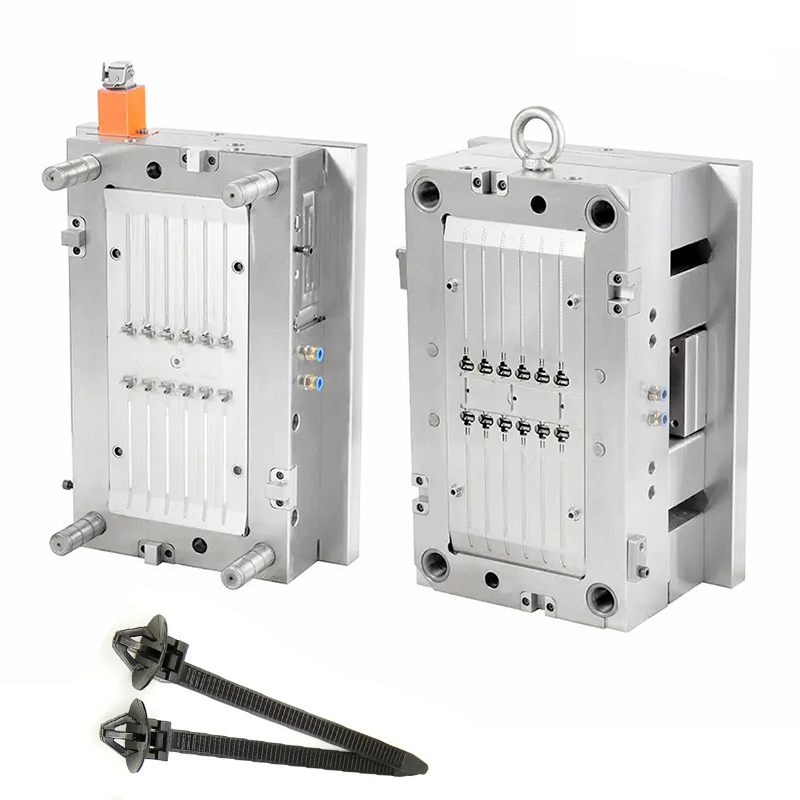
Annealing is a crucial post-processing step to improve the dimensional stability of nylon injection molded parts. This heat treatment involves heating the molded parts to a temperature just above their glass transition or slightly below their melting point, holding them there for a specific time, then cooling slowly. This process helps relieve internal stresses caused by uneven cooling and crystallization during molding.
For nylon, annealing typically occurs at temperatures between 80°C and 120°C, depending on the nylon type and part thickness. For example, Nylon 6 parts might be annealed at about 90°C for 2 to 4 hours, while Nylon 66 parts may require slightly higher temperatures or longer times due to their higher melting points.
Annealing allows the polymer chains to rearrange and complete crystallization, which reduces residual stresses and shrinkage after molding. This results in parts that maintain their shape better over time and under varying environmental conditions. It also helps minimize warpage and improves mechanical properties like impact strength and stiffness.
However, improper annealing—such as too high temperature or too rapid cooling—can cause distortion or degrade the part. Therefore, manufacturers must optimize annealing parameters based on the specific nylon grade and part design.
Ensuring consistent quality in nylon injection molded parts requires thorough inspection and testing protocols focused on dimensional stability and mechanical performance.
● Dimensional Inspection: Use precision measurement tools like coordinate measuring machines (CMM), calipers, or optical scanners to verify part dimensions against design specifications. Regular checks help detect shrinkage or warpage deviations early.
● Moisture Content Testing: Measure moisture in molded parts and resin using moisture analyzers or Karl Fischer titration. Controlling moisture content ensures parts meet performance standards and reduces shrinkage variability.
● Mechanical Testing: Conduct tensile, impact, and flexural tests to confirm parts meet strength and flexibility requirements. Changes in mechanical properties can indicate moisture issues or improper processing.
● Visual Inspection: Examine surface finish for defects such as splay marks, bubbles, or sink marks that often relate to moisture or shrinkage problems.
● Annealing Validation: After annealing, re-inspect parts to confirm dimensional stability improvements and absence of distortion.
Implementing a robust quality assurance system with statistical process control (SPC) helps track trends and maintain consistent production. Combining inspection data with process parameters allows manufacturers to fine-tune molding conditions and post-processing steps to minimize moisture and shrinkage issues.
Incorporate controlled annealing cycles and comprehensive dimensional inspections into your quality assurance process to enhance nylon part stability and reduce shrinkage-related defects.
Understanding nylon's hygroscopic nature is crucial for avoiding moisture and shrinkage issues in injection molding. Proper drying techniques and optimized molding parameters are essential. Manufacturers should use additives and advanced mold designs to minimize defects. Annealing and quality assurance processes enhance dimensional stability. By implementing these strategies, manufacturers can ensure high-quality nylon parts. YEESHINE TECHNOLOGY CO. offers innovative solutions and expert guidance to help manufacturers achieve superior results in nylon injection molding, ensuring product reliability and customer satisfaction.
A: Nylon Injection Molding is a manufacturing process that involves injecting molten nylon into a mold to produce parts. It is widely used due to nylon's strength, durability, and resistance to wear and heat.
A: To prevent moisture issues, pre-dry nylon using dehumidifying dryers, store in airtight containers, and measure moisture content with analyzers to ensure levels are below 0.2% before molding.
A: Shrinkage is a concern because nylon contracts as it cools, affecting dimensional accuracy. Controlling factors like cooling rate and using additives can minimize shrinkage.
A: Nylon 6 has higher moisture absorption and shrinkage rates than Nylon 66, which offers better heat resistance and dimensional stability but requires higher processing temperatures.
A: Adding glass fibers enhances nylon's strength and reduces shrinkage by restricting polymer chain movement during cooling, improving dimensional stability.


