Email: admin@yeeshine-tech.com WhatsApp: +86-13712868936

- All
- Product Name
- Product Keyword
- Product Model
- Product Summary
- Product Description
- Multi Field Search

Views: 0 Author: Site Editor Publish Time: 2025-04-21 Origin: Site


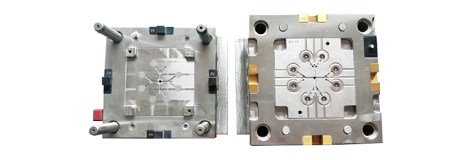
Plastic injection mold is one of the most transformative manufacturing methods ever developed. It shapes millions of products we use daily. From automotive parts to medical devices, everything molded depends on one core factor—material selection.
Choosing the right plastic isn't just about cost. It impacts how parts perform, how long they last, how they look, and how eco-friendly they are. Behind every successful plastic injection mold product lies upon careful material planning.
Let's dive into why this matters, what properties to look for, and how to make smart choices that boost both performance and profits.


Material affects everything—durability, strength, finish, resistance. For example, car bumpers need high-impact resistance. Medical tools demand biocompatibility. In consumer electronics, surface finish and thermal stability are vital.
A poor material choice leads to cracks, warping, early failure. It increases returns, hurts your brand, and wastes money.
Each material flows, shrinks, and reacts differently under heat and pressure. That means the mold design must suit the plastic. If it doesn't, you get defects, higher wear, and poor mold life.
Some materials cost more upfront but last longer. Others save money short-term but reduce long-term performance. Eco-conscious plastics, like biodegradable polymers, cost more—but they appeal to green-conscious buyers.
Two broad categories of materials dominate plastic injection mold: thermoplastics and thermosets.
Thermoplastics soften when heated and harden when cooled. This cycle can repeat many times. They’re recyclable and widely used.
Common thermoplastics include:
| Material | Strength | Heat Tolerance | Applications |
|---|---|---|---|
| Polypropylene (PP) | Moderate | Moderate | Containers, hinges |
| Polyethylene (PE) | Low to moderate | Low | Bottles, plastic bags |
| Polystyrene (PS) | Brittle | Low | Toys, casings |
| ABS (Acrylonitrile Butadiene Styrene) | High | Moderate | Automotive, enclosures |
| Polycarbonate (PC) | Very high | High | Lenses, safety equipment |
| Nylon (PA) | High | High | Gears, bushings |
Thermosets harden permanently during molding. Once cured, they can't be remelted. They’re heat-resistant and strong but non-recyclable.
Examples:
Epoxy resin – high strength, used in aerospace
Phenolic resin – flame-resistant, used in electrical systems
Measures how much force a plastic can withstand when pulled. High tensile strength materials resist breakage.
| Material | Tensile Strength (MPa) |
|---|---|
| Polycarbonate | 60–70 |
| ABS | 40–50 |
| Polypropylene | 30–40 |
Indicates how well a material can absorb energy during a sudden hit. High-impact plastics don't shatter easily.
| Material | Impact Strength (kJ/m²) |
|---|---|
| Polycarbonate | 80 |
| ABS | 40 |
| PS | 5 |
This is the max temperature at which a plastic holds its shape.
| Material | Heat Deflection Temp (°C) |
|---|---|
| Polycarbonate | 130 |
| ABS | 95 |
| Polypropylene | 80 |
Important for parts exposed to oils, acids, or cleaning agents. Nylon and PP handle chemicals well. ABS doesn't.
Plastic injection mold parts used in electronics must resist fire and insulate electricity. Look for:
UL 94 flammability rating
Dielectric strength (ability to resist electric breakdown)
Every plastic comes with a Material Data Sheet (MDS). It lists all technical properties and test results.
Tensile strength – for structural integrity
Elongation at break – for flexibility
Melt flow index (MFI) – affects how easily the material fills the mold
Thermal conductivity – impacts heat transfer in mold cooling
Glass transition temperature (Tg) – below this, the plastic becomes brittle
| Property | Test Method |
|---|---|
| Tensile Strength | ASTM D638 |
| Melting Point | ASTM D3418 |
| Flammability | UL 94 |
| Impact | ASTM D256 |
Tip: Always check test conditions. A plastic tested at room temperature may act differently at 60°C.
The melt flow rate shows how fluid the plastic is when melted. High flow = fills mold easily = better for small parts. Low flow = stiffer melt = better for thick parts.
| Melt Flow Index (g/10 min) | Ideal Use |
|---|---|
| 2–5 | Thick parts |
| 5–20 | Medium parts |
| 20+ | Thin walls, detailed parts |
Strain rate also matters. Fast injection speeds affect how plastics stretch or crack. High strain rates = more internal stress = risk of warping or brittleness.
To guide material choice, use comparison tables. Match project needs to properties.
Example: Choosing Material for Electronic Enclosure
| Requirement | Recommended Material | Why |
|---|---|---|
| High impact resistance | ABS | Strong and durable |
| Electrical insulation | PC/ABS blend | Combines strength + insulates well |
| Flame retardancy | FR ABS | UL 94 V-0 rating |
Example: Choosing Material for Outdoor Garden Tool Handle
| Requirement | Material | Reason |
|---|---|---|
| UV resistance | PP with UV additive | Resists sunlight degradation |
| Grip texture | TPU (Thermoplastic Polyurethane) | Flexible and soft-touch |
| Load bearing | Nylon 6 | High strength and fatigue resistance |
Eco-friendly, derived from plants. Not as strong yet but growing fast. Good for disposable products.
Reduces carbon footprint. Reprocessed thermoplastics like rABS and rPP becoming more stable in quality.
Plastics that change color, conduct electricity, or self-heal. Used in sensors, wearables, and smart packaging.
High-performance polymers like PEEK, PPS replace metal in automotive and aerospace. Lighter, corrosion-free, easier to mold.
Define Application Requirements
Load, temperature, appearance, life span, cost
Shortlist Materials
Based on properties from MDS and industry use
Request Samples
Test materials in real conditions
Perform Moldability Analysis
Use simulation software like Moldflow
Consider Regulatory Needs
RoHS, FDA, REACH compliance
Choosing material only by cost
Ignoring testing environment
Overlooking mold design compatibility
Neglecting recyclability or disposal cost
Not involving suppliers early
Material selection is the foundation of successful plastic injection mold projects. It defines performance, aesthetics, safety, and longevity. With so many options, making the right choice isn't always easy.
But with the right tools—MDS, property charts, performance tests—you can choose confidently. Match the material to the product's function, environment, and budget. And always stay ahead by following trends in bioplastics, recycled content, and smart materials.
